

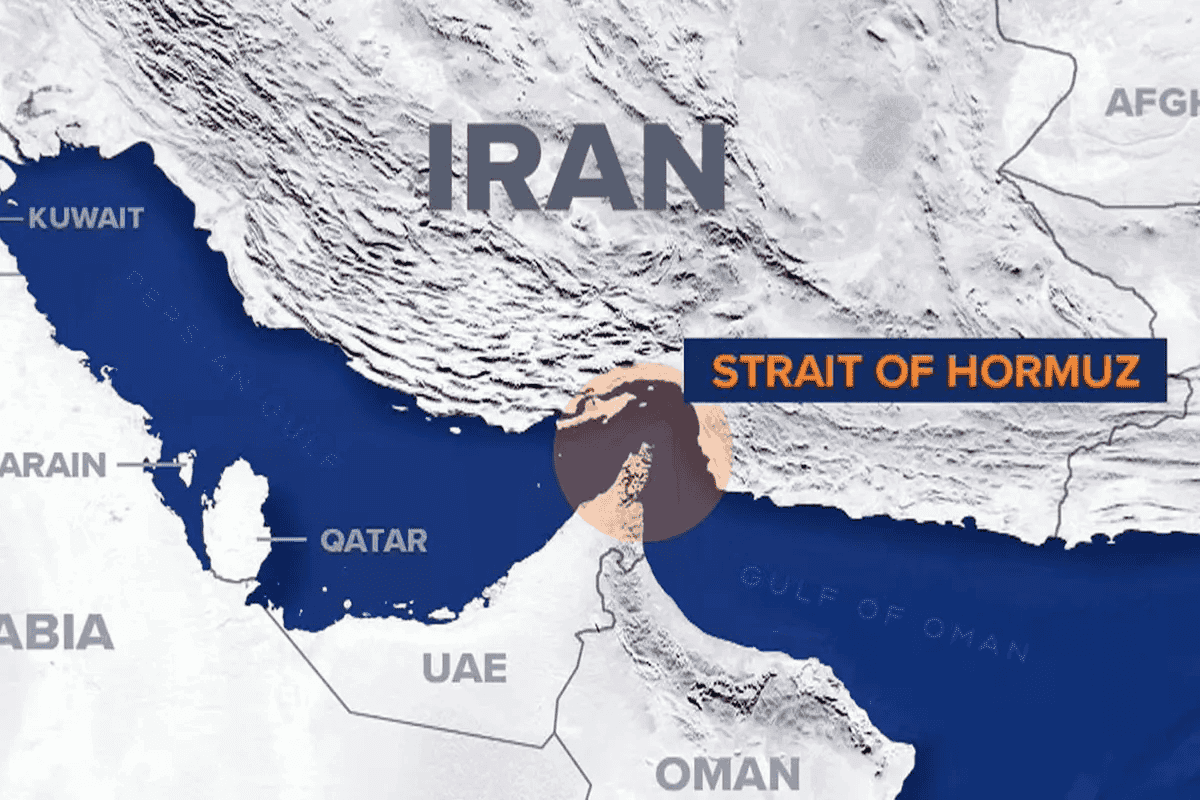
In a dramatic reversal that sent shockwaves through global energy markets, oil prices tumbled sharply on Friday after Iran announced it was reopening the Strait of Hormuz — the critical shipping channel whose closure had been driving fuel costs to painful highs for weeks.
International benchmark Brent crude plummeted by 12 percent, while the US benchmark West Texas Intermediate fell an even steeper 14 percent in Friday morning trading — one of the sharpest single-day drops in oil prices in recent memory.
What Changed — and Why It Matters
Iran’s Foreign Minister Abbas Araghchi announced on Friday via social media that the Strait of Hormuz would be reopened, coinciding with the announcement of a ceasefire between Israel and Lebanon. The timing of the dual announcements sent an immediate and powerful signal to markets that a period of acute geopolitical tension may be easing.
The Strait of Hormuz sits at the mouth of the Persian Gulf and is one of the most strategically vital waterways on the planet. Under normal circumstances, approximately 20 percent of the world’s oil supply passes through it daily. When Iran effectively shut down traffic through the strait in recent weeks — amid the ongoing military conflict that began earlier this year — the consequences rippled instantly across global energy markets.
Because oil is a globally traded commodity, the impact was felt far beyond the countries that would have directly consumed oil from that route. Nations with no direct connection to the strait saw their energy prices rise regardless, a reminder of just how interconnected the global economy truly is.
Relief at the Pump Could Follow
For everyday consumers who have been wincing at fuel prices in recent weeks, Friday’s development offers genuine reason for optimism. If the lower oil prices hold — and that remains an important caveat — prices at the pump could begin to fall in the days and weeks ahead.
The relationship between crude oil prices and petrol prices is not instant, but it is reliable. When the cost of a barrel of oil drops significantly, fuel retailers typically follow suit within a short period, easing the burden on drivers and businesses alike.
The Trump administration had been applying sustained pressure on Iran to reopen the channel, well aware of the political damage that elevated energy costs were causing at home. High fuel prices are among the most visible and immediately felt economic pressures for ordinary voters — and in a midterm election year, that visibility carries significant political weight.
ALSO READ: US-Iran Peace Talks Collapse: What a Strait of Hormuz Blockade Means for Oil, Markets and You
Political Breathing Room for Republicans
For the Republican Party, which has been navigating an uncomfortable combination of high fuel prices and a messaging battle over last year’s tax cuts, Friday’s news arrives as a meaningful — if fragile — reprieve.
Energy costs had been threatening to overshadow whatever political benefits the party hoped to draw from its tax legislation. With gas prices potentially heading lower, that pressure may ease — at least in the near term.
Whether the ceasefire holds, whether the Strait remains open, and whether oil prices sustain their decline are all questions that will play out in the coming days. Markets, as ever, will be watching closely.
A Fragile but Significant Moment
Friday’s development does not erase weeks of economic strain, nor does it guarantee a smooth path forward. Ceasefires are fragile. Geopolitical situations can reverse quickly. And oil markets, which have been volatile throughout this period, will remain sensitive to any new developments on the ground.
But for now, the reopening of one of the world’s most critical shipping lanes represents a meaningful step toward stability — for energy markets, for consumers, and for the broader global economy that has been holding its breath since the conflict began.
📩 Stay ahead of breaking news. Subscribe to the JournalTodays Newsletter for the latest updates delivered straight to your inbox.