
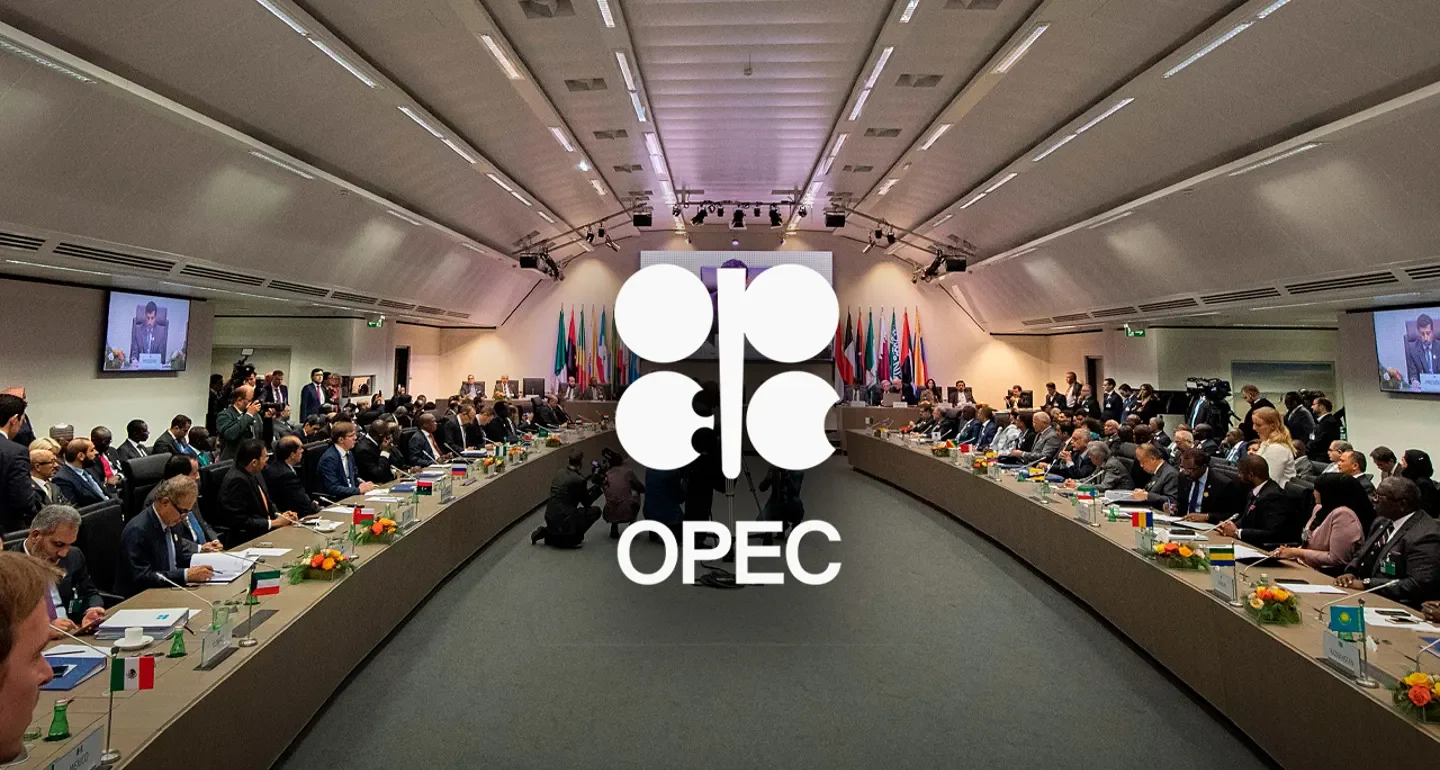
The United Arab Emirates has officially announced its withdrawal from both OPEC and the broader OPEC+ alliance, a historic move that could redraw the map of global energy production. The exit takes effect on May 1.
Why Did the UAE Leave OPEC?
The UAE’s energy minister described the decision as a “sovereign national choice” rooted in long-term economic priorities. Speaking to reporters, he made clear the country had taken a careful look at its national energy strategy before pulling the trigger.
The core motivation is flexibility. By stepping outside the group’s production quota system, the UAE gains the freedom to ramp up output whenever global demand calls for it — without needing approval from partner nations. Officials signalled the country wants to play a bigger role across crude oil, petrochemicals, and natural gas.
What Does This Mean for Oil Markets?
The UAE did not consult Saudi Arabia or other major producers before making the announcement, according to reports. Officials believe the move can happen without significantly rattling markets, pointing to existing supply constraints as a natural buffer.
That confidence may face a real test. OPEC+ has long held its influence by coordinating production limits among members to keep prices stable. One major player operating outside those limits introduces a new variable — and potentially more volatility.
How Does the Strait of Hormuz Factor In?
Timing matters here. Global oil supply routes are already under stress, particularly through the Strait of Hormuz — the narrow waterway between Iran and Oman that carries roughly one-fifth of the world’s oil and liquefied natural gas shipments. Security threats in the region have already been tightening supply lines and adding pressure to energy prices.
The UAE’s energy minister specifically noted that global consumers need stable supply right now, especially as strategic reserves are being drawn down. The country appears to see independent action as a way to meet that need on its own terms.
What About Regional Political Tensions?
The withdrawal doesn’t appear to be purely about barrels and budgets. There’s a political undercurrent that’s hard to ignore. A senior UAE diplomatic adviser publicly criticised Gulf Cooperation Council (GCC) nations for their response to recent regional security threats.
Speaking at a public forum, he said GCC members provided logistical support but fell well short of what was needed politically and militarily. He called their collective stance the weakest in the bloc’s history — a pointed remark that signals deeper frustration within the Gulf alliance.
What Happens Next?
The UAE’s departure becomes official on May 1. From that point, the country is free to set its own production targets — a capability it has been pushing for over several years. Reports suggest the UAE has long felt that its production quota within OPEC+ didn’t reflect the full capacity of its oil infrastructure.
Markets will now watch closely to see whether the UAE moves quickly to raise output, and how remaining OPEC+ members respond. Any significant production increase from Abu Dhabi could put downward pressure on global oil prices — good news for consumers, but a headache for producers who depend on higher price floors.
📩 Stay informed. Subscribe to the JournalTodays Newsletter for breaking energy and global markets news delivered to your inbox.
A: The UAE says the decision is a sovereign national choice aimed at gaining flexibility to increase oil production without being bound by group quotas. Officials cited long-term economic strategy and growing global demand as the key drivers.
A: The withdrawal becomes effective on May 1, 2025.
A: It could put downward pressure on prices if the UAE significantly ramps up production, though officials argue existing supply constraints will cushion the market impact in the short term.
A: According to reports, the UAE did not consult Saudi Arabia or other major producers before announcing the decision.
A: OPEC+ is a coalition of the original OPEC member countries plus several additional oil-producing nations, including Russia. The group coordinates production limits to manage global supply and influence oil prices.