
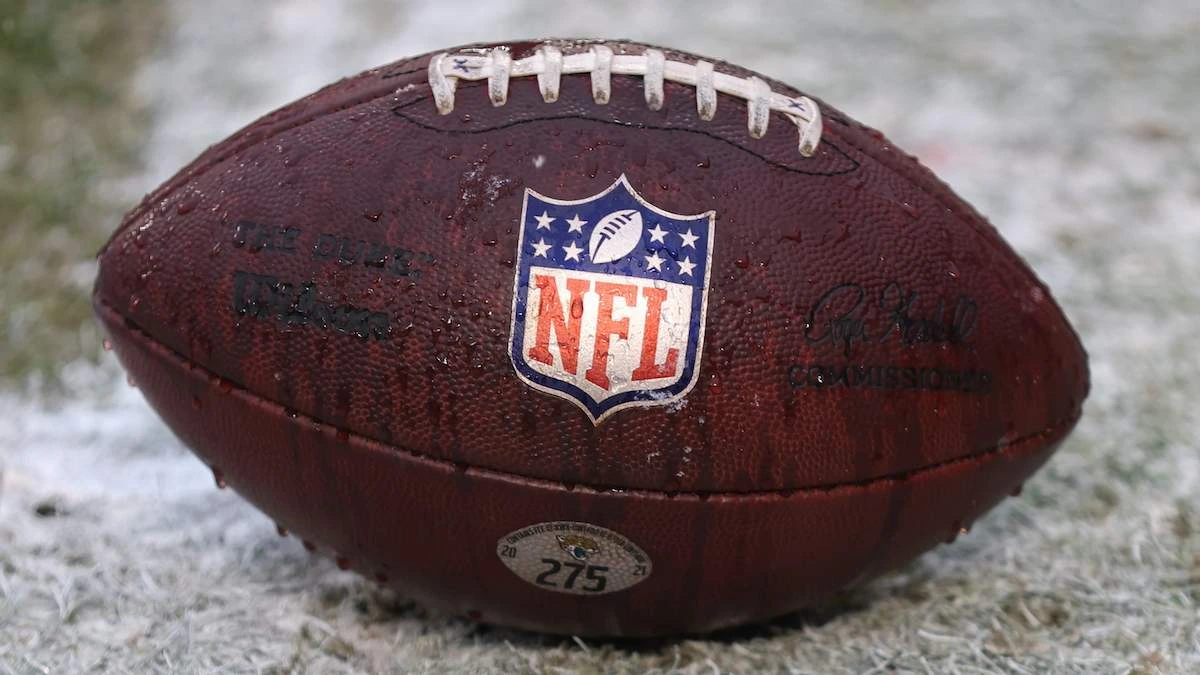
At least one in four retired NFL players who died between 2016 and 2021 had chronic traumatic encephalopathy — the degenerative brain disease linked to repeated head impacts — according to a major new study published Tuesday in the British Medical Journal. Researchers from Mass General Brigham say the 25% figure is a floor, not a ceiling, and that the true rate of CTE among former professional football players at the time of death is likely considerably higher.
“We’ve known that this disease process can be caused, in part, by repeated traumatic brain injury. But we didn’t know how common it was,” said Dr. Daniel Daneshvar, the study’s lead author.
CTE is a progressive neurodegenerative disease that can only be confirmed through brain examination after death, which has long limited researchers’ ability to establish its true prevalence. Most previous studies drew on brains donated to research by families or individuals who had already experienced symptoms — a selection that skewed estimates toward higher rates among people who suspected they had the disease. This study attempted to address that bias by working from a population-level denominator.
How the Study Was Designed
Daneshvar and colleagues used the UNITE Brain Bank at Boston University, which holds donated brains from more than 330 NFL players who died between 2008 and 2021. Of those donated brains, 93% showed evidence of CTE. Rather than treat that figure as representative of all NFL players, the researchers built a denominator: a list of every player who had appeared in at least one NFL game since 1949, cross-referenced with CDC death certificate data to identify the 1,712 players who died in the relevant period. They then focused on the 2016-2021 window when brain donation rates were highest, allowing a more reliable prevalence estimate.
The 25% figure is the low end. The paper also notes additional CTE diagnoses made outside the brain bank sample, suspected cases where brains were not examined post-mortem, and an analysis of death certificates of non-donating players that identified 215 whose cause of death listed a neurodegenerative disease. At the theoretical maximum — assuming CTE in every former player except the 20 whose brains definitively cleared the diagnosis — the upper bound reached 97%. “The true rate of CTE at death in NFL players is somewhere in the middle,” Daneshvar said.
What This Means for Living Former Players
A secondary aim of the study examined the relationship between dementia diagnosed in life and CTE confirmed after death. The link was strong at the most advanced stage of the disease: more than 90% of Stage IV CTE samples were also associated with a dementia diagnosis from medical records. But the connection was far weaker at lower stages, and notably, 40% of CTE-free brains were still associated with a dementia diagnosis during life — a finding that highlights how difficult it remains to use symptoms alone to distinguish CTE from other conditions.
That distinction carries practical implications for the thousands of former NFL players who are still alive. Rachel Grashow, a neuroepidemiologist at the Harvard T.H. Chan School of Public Health and director of epidemiological research at the Football Players Health Study at Harvard, warned that public discourse around CTE may be creating fatalism among living former players. Conditions including sleep apnoea, high blood pressure, and low testosterone — all common among former NFL players and associated with prior head injury — can produce symptoms that closely resemble CTE. Unlike CTE, which currently has no treatment, these conditions are treatable.
“Our concern is that the public and kitchen table conversations around CTE are creating hopelessness in living former NFL players. And this hopelessness may discourage them from reaching out to their doctors and getting treated for conditions, like sleep apnoea, that are causing worrisome symptoms,” Grashow said.
The NFL said in a statement that the league “continuously strives to make the game of football safer” and encouraged former players to utilise health resources to “identify and seek treatment when they are concerned about their health.” The NFL Players Association, which funds CTE research at Boston University, called the findings “a sobering reminder that football carries real risks” with “lasting consequences for players and their families” and said they “should serve as a call to action across the entire football ecosystem.”
Important Context and Caveats
The study is broadly considered rigorous. Dr. Randall Chesnut, a neurological surgeon at the University of Washington and expert in brain and spine sports injuries, called it “significant” and “really well done.” But he also flagged a meaningful caveat: the mean age at death among the donated brain cohort was approximately 66, meaning most of these players’ professional careers occurred before 2005 — the year CTE was first diagnosed in a former NFL player — and before the league implemented its most significant player safety reforms. Rule changes including kickoff restrictions and bans on helmet-to-helmet contact, alongside investment in safer equipment, have changed the game since then. “This may not represent the NFL in 2026,” Chesnut said.
CTE is not limited to athletes, and degenerative brain disease affects a broad population regardless of head trauma history. Among Americans over 55, the lifetime risk of developing any form of dementia is 42%, according to research published last year in Nature Medicine.
Stay informed. Subscribe to the JournalTodays Newsletter for the latest health research, sports medicine news, and science coverage delivered straight to your inbox.