

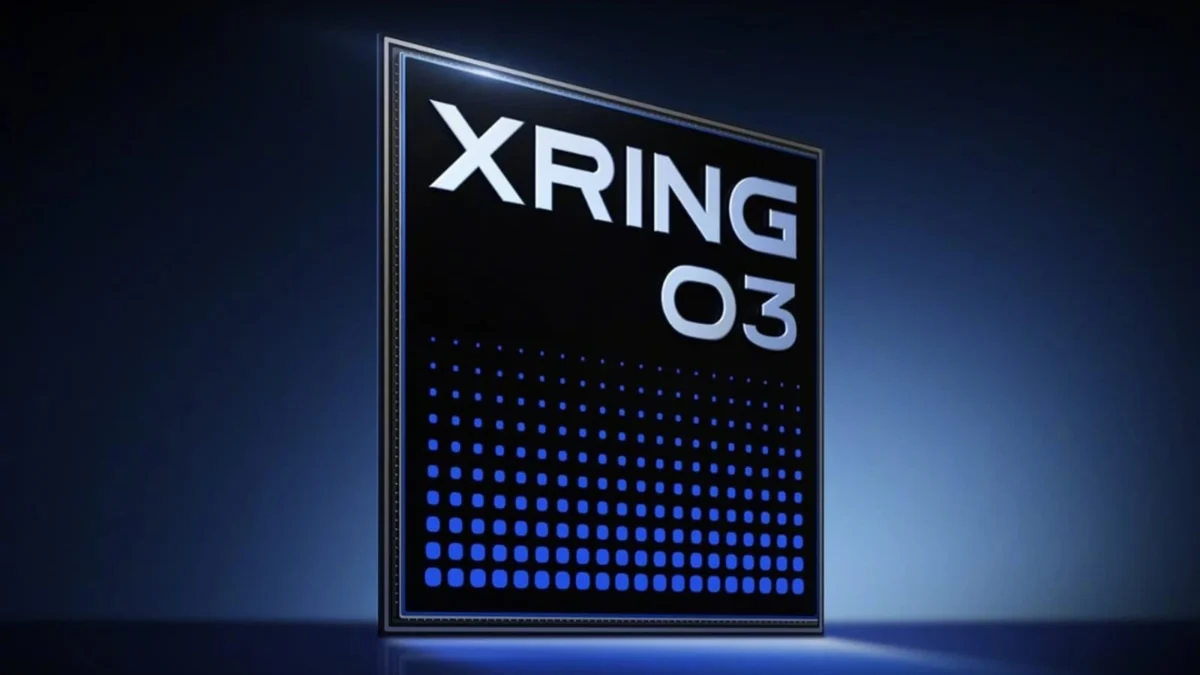
Xiaomi has unveiled the Xring O3, the second generation of its proprietary smartphone processor, and has partnered with TSMC to manufacture the chip on a 3-nanometre process — the same advanced node used for Apple’s most recent iPhone processors. The announcement marks a significant step in the Chinese smartphone maker’s push to control its own semiconductor supply chain and reduce dependence on external chip suppliers such as Qualcomm and MediaTek.
The Xring O3 arrives approximately one year after Xiaomi launched its first in-house processor, the Xring O1, in May 2025. Cumulative shipments of devices powered by the O1 — including smartphones, tablets, and watches — have surpassed 1 million units since launch, with approximately 150,000 smartphones among them. The O3 is already in mass production, according to Xiaomi. Sources say it is expected to power the company’s upcoming flagship folding phone, with initial shipments targeted at 200,000 to 300,000 units.
Xiaomi and TSMC did not respond to requests for comment on the manufacturing arrangement, production node, or shipment targets.
Two More Chips Coming — AI and Autonomous Driving
Beyond the Xring O3, Xiaomi has contracted TSMC for two additional chips. The Xring O100 is a 6-nanometre neural processing unit designed to run Xiaomi’s MiMo large language model directly on consumer devices. The Xring D100 is a 3-nanometre chip built for autonomous driving applications. Both have completed development and are scheduled for deployment next year.
The scope of Xiaomi’s semiconductor ambitions reflects an investment of more than 20 billion yuan — approximately $3 billion — in Xring chip development to date. The company’s semiconductor design unit has grown to more than 3,000 engineers, up from 2,500 last year. Xiaomi has committed to investing at least 50 billion yuan over a decade in the effort, which it restarted in 2021 after an earlier chip programme was abandoned.
Why In-House Chips Matter for Xiaomi
Developing proprietary silicon gives device makers greater control over product features, tighter integration between hardware and software, and improved bargaining power with component suppliers — the same strategic logic that drove Apple’s transition to its own chips and Samsung’s long-standing Exynos programme. For Xiaomi, the push is also a hedge against supply chain disruption in an increasingly fragmented global semiconductor market.
The company’s entry into foldable phones — a higher-priced, higher-margin segment currently dominated by Huawei — makes silicon differentiation strategically important. Huawei held 68% of the Chinese foldable market in Q2 with 1.6 million units shipped, according to Smart Analytics Global. Honor was second at 13.7%, and Oppo third at 8.5%. Xiaomi is entering a competitive space where proprietary chips could offer a meaningful edge.
The broader smartphone market is under significant pressure. Global shipments are forecast to decline 14% in 2026, according to IDC. Xiaomi sold 65 million handsets in the first half of 2026 at an average price of 1,329 yuan — down from 84 million units at 1,141 yuan in the same period of 2025, reflecting the industry-wide squeeze as rising memory and component costs push prices higher and weigh on consumer demand.
Xiaomi’s electric vehicle business is growing alongside its chip efforts, generating 23.9 billion yuan in revenue and delivering 104,199 vehicles in Q2 2026.
Stay informed. Subscribe to the JournalTodays Newsletter for the latest Xiaomi news, chip technology coverage, and technology business updates delivered straight to your inbox.