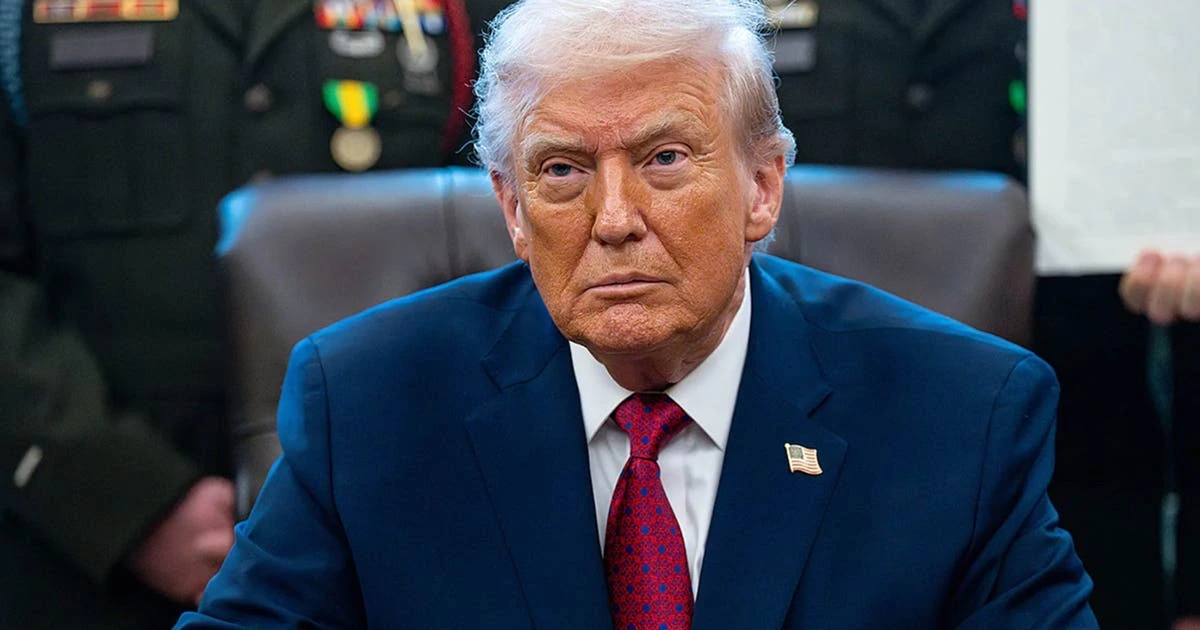

The Supreme Court delivered a split decision on Monday that blocked President Trump from immediately removing Federal Reserve Board Governor Lisa Cook while simultaneously expanding his power to fire members of other independent federal agencies — a pair of rulings from Chief Justice John Roberts that reflect the court’s willingness to push back on some but not all of Trump’s assertions of executive authority.
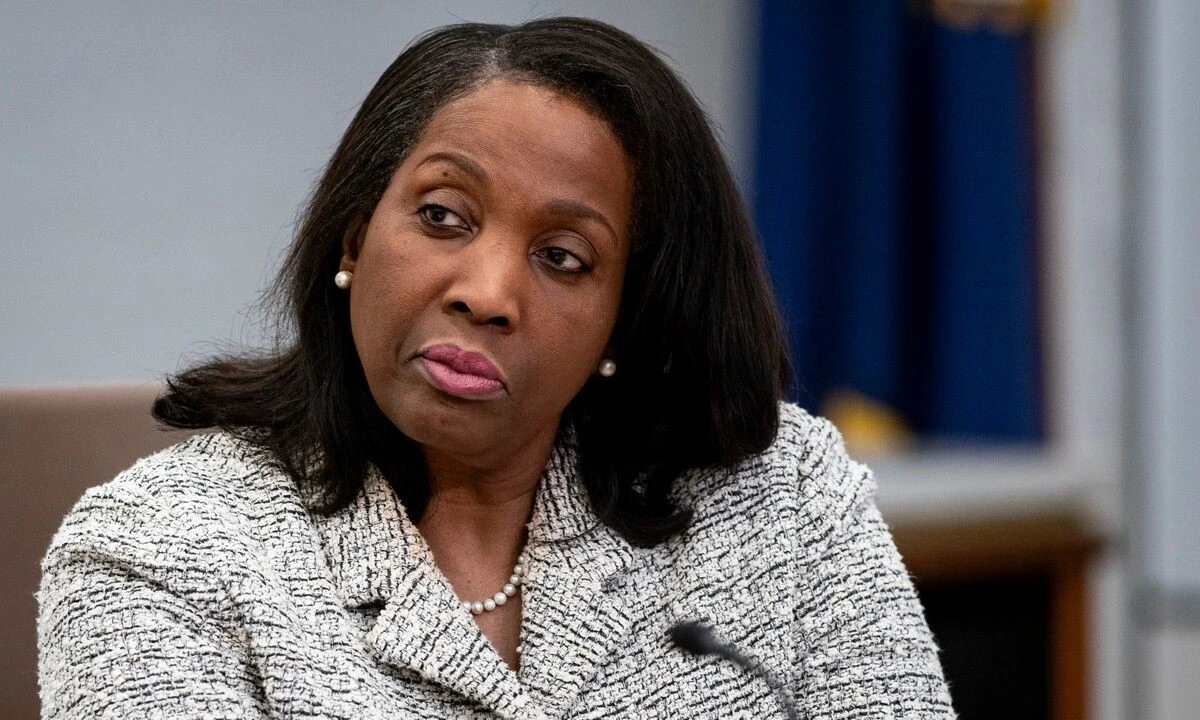
The two decisions were issued simultaneously. In the Cook case, the court ruled 5-4 — with the court’s three liberal justices joining Roberts and Justice Brett Kavanaugh — that Trump’s attempt to fire Cook for cause could not be executed without first providing her notice and an opportunity to respond, and that she could not be removed while challenging the decision in court. In the second case, the court voted 6-3 along ideological lines to allow Trump to fire Federal Trade Commission member Rebecca Kelly Slaughter without cause, in the process overturning a landmark 1935 precedent that had protected independent agency members from presidential removal.
Roberts and Kavanaugh were the only justices in the majority in both cases — a combination that underscores how carefully the court is threading the needle between expanding presidential power and preserving the structural independence of the Federal Reserve specifically.
The Cook Ruling and What It Actually Means
Trump moved to fire Cook in August, citing allegations of mortgage fraud made by Federal Housing Finance Agency Director Bill Pulte. Cook has denied the allegations and bank documents obtained to contradict the fraud claim. Lower courts sided with her, leading Trump to seek emergency relief at the Supreme Court.
Roberts rejected the administration’s argument that presidential firing decisions cannot be reviewed by courts at all. “To accept any of those arguments would in effect transform the Federal Reserve’s for-cause protection into at-will employment,” he wrote — a step that would be “out of step with the statute Congress enacted and our nation’s tradition of central banking protected from political interference.”
Cook welcomed the decision, saying Trump’s actions represented “an attempt to remove me on a manufactured pretext because I refused to bow to political pressure and continued to set interest rates based only on what would best serve the American people.”
Trump immediately suggested the fight is not over. He posted on Truth Social that “we will take appropriate action immediately” to ensure Cook does not continue influencing US monetary policy. The ruling leaves open the question of whether he could ultimately fire her if he provides proper process and demonstrates genuine cause — a question the court said would depend on the underlying facts, which it explicitly declined to assess.
ALSO READ: Federal Judge Blocks Trump’s Mail-In Voting Order, Ruling President Overstepped His Authority
The FTC Ruling and What It Means for Everything Else
The Slaughter ruling has considerably broader implications. By overturning Humphrey’s Executor v. United States — the 1935 precedent that upheld congressional restrictions on the president’s power to remove FTC commissioners — the court has removed a foundational protection for a wide range of independent agencies.
“Our Constitution creates three branches, but only one president,” Roberts wrote in that ruling. “Subordinates who exercise the president’s power are subject to removal by him. Then, and only then, can they remain accountable to the president, and the president to the people.”
The ruling directly affects Slaughter, whom Trump fired in March 2025, but the logic extends to any agency with similar removal protections. The court has already allowed Trump to remove, without cause, members of the Consumer Product Safety Commission, the Surface Transportation Board, and the Equal Employment Opportunity Commission. Monday’s FTC ruling consolidates that authority more firmly.
The Federal Reserve’s protection was preserved specifically because of its unique structure and history — the court effectively created a Fed exception to its broader view that congressional restrictions on presidential firing power are constitutionally suspect. No president has ever previously attempted to fire a sitting Fed governor. Global markets have relied for decades on the institution’s independence from political interference.
Trump described the FTC ruling as a historic expansion of presidential authority and said he would act on it. Cook remains on the board for now. The Senate has already confirmed Kevin Warsh as the new Fed chairman, replacing Jerome Powell. Powell’s term as a board governor — distinct from his role as chairman — runs until 2028.
Stay informed. Subscribe to the JournalTodays Newsletter for the latest Supreme Court news, US politics, and economic policy coverage delivered straight to your inbox.