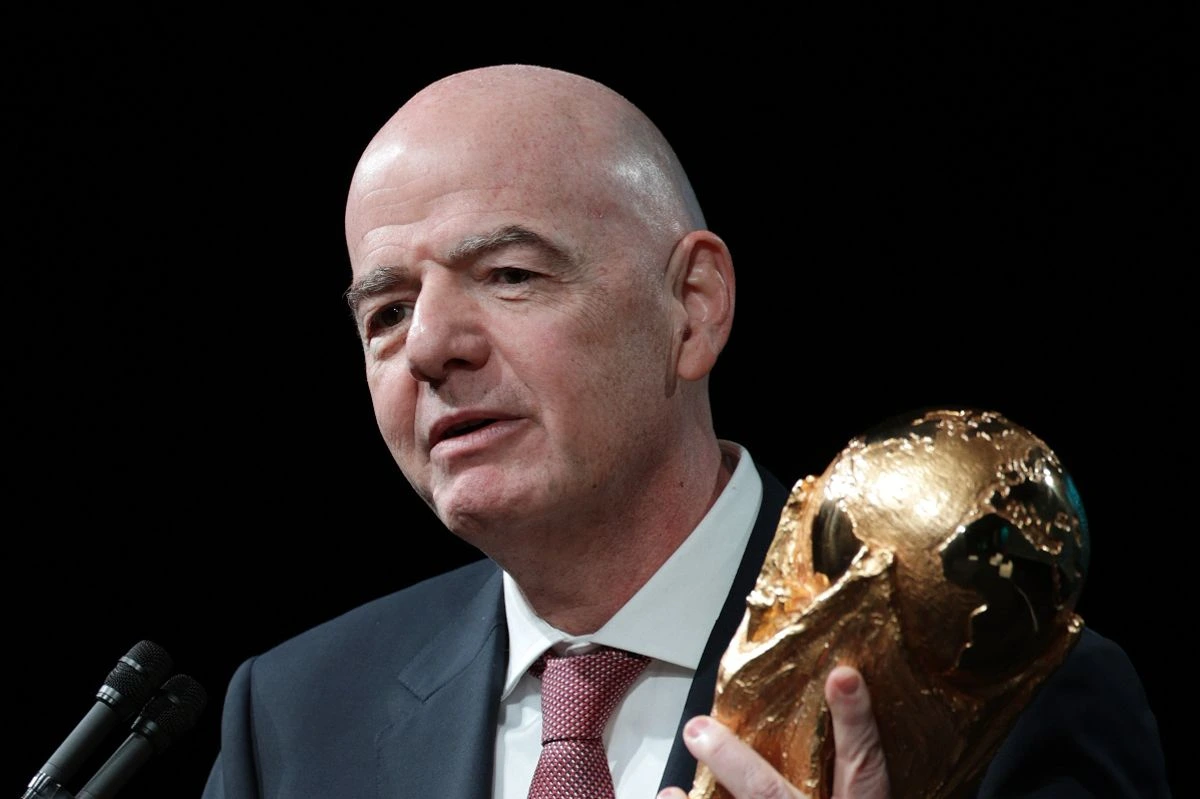


A fresh controversy has emerged ahead of the FIFA World Cup 2026, as FIFA has pushed back strongly against calls from U.S. officials to help cover transportation costs for fans.
The issue began when New Jersey Governor Mikie Sherrill raised concerns over the rising cost of travel for spectators attending matches. Reports suggest that return journeys to stadiums could reach nearly $100, sparking debate about affordability for fans.
Dispute Over Who Should Pay
Sherrill made it clear that she does not want local commuters or taxpayers to carry the financial burden. She pointed out that New Jersey Transit could face a bill of around $48 million to transport approximately 40,000 fans, while FIFA is expected to generate billions from the tournament.
“I won’t stick N.J. commuters with that tab for years to come, that’s not fair,” Sherrill said, emphasizing that FIFA should step in to cover transportation expenses. She also highlighted that the current agreement leaves local systems responsible for managing large-scale travel logistics without direct financial support from the governing body.
FIFA’s Strong Response
FIFA, however, rejected the criticism and defended its stance by referring to agreements already signed with host cities. According to the organization, earlier contracts initially required free transportation for fans, but those terms were revised in 2023.
Under the updated agreement, fans are expected to pay for transport, though systems must ensure accessibility to stadiums on match days. FIFA also stressed that it has worked closely with host cities over the years and helped advocate for federal funding to support transportation infrastructure.
The organization further argued that major global events typically do not require event organizers to pay for fan transportation, suggesting that the expectation placed on FIFA is unusual.
Growing Concerns Ahead of the Tournament
The FIFA World Cup 2026, which will be hosted by the United States along with Canada and Mexico, is set to be the largest World Cup in history, expanding to 48 teams.
While the tournament promises massive economic impact and global attention, rising costs — especially for travel — are already becoming a concern for fans. With millions expected to attend matches across North America, how transportation is managed could play a major role in shaping the overall experience.
At this stage, it remains unclear whether any compromise will be reached. But the debate highlights a broader issue — balancing large-scale event profits with affordability for everyday fans.