

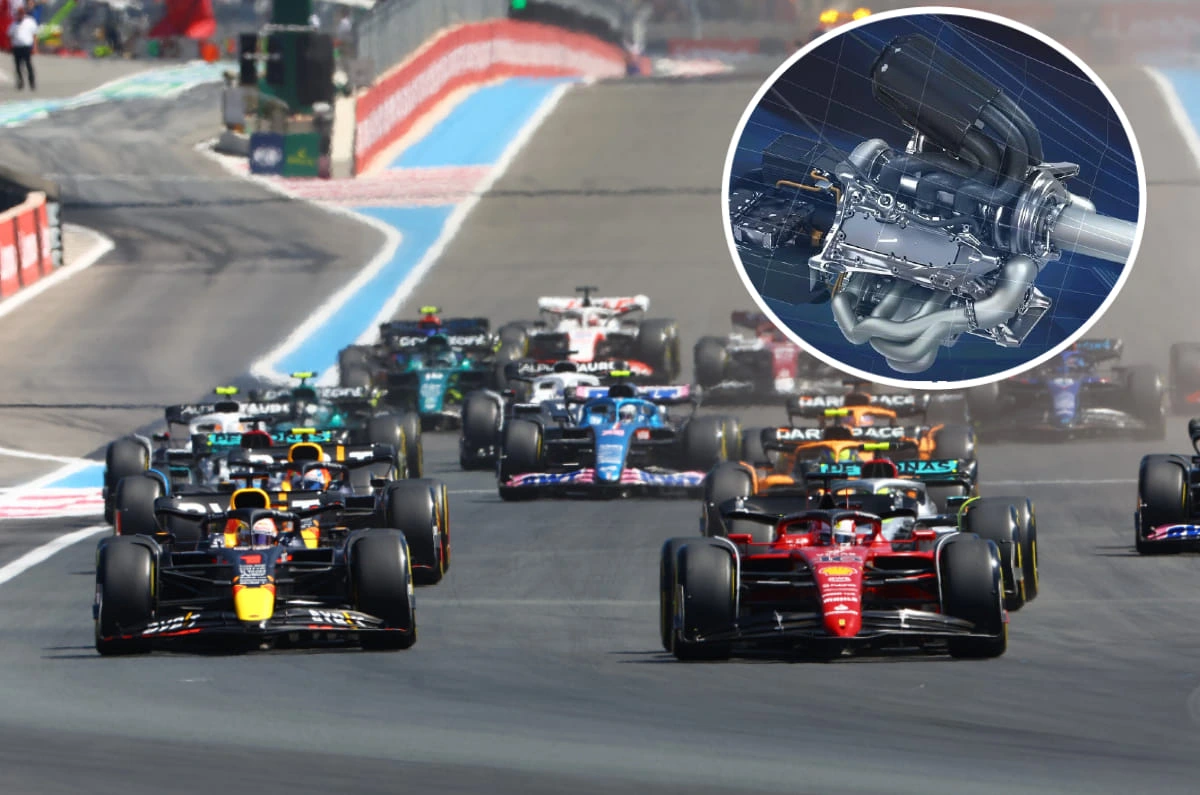
Formula 1 has heard its drivers loud and clear. The sport’s governing bodies agreed on Friday to move away from the controversial 50-50 split between combustion and electrical power that has defined the new 2026 engine regulations — shifting toward a 60-40 ratio favouring the internal combustion engine from 2027 onwards.
The decision follows weeks of unusually blunt criticism from drivers at the top of the sport. Max Verstappen compared the new cars to Mario Kart. Fernando Alonso declared that Formula 1 had become “the battery world championship.” Lando Norris — the reigning world champion — said during the Miami Grand Prix that he did not believe any driver could genuinely enjoy the current cars, even after minor tweaks were introduced before that race to improve the qualifying spectacle.
The core problem has been lifting-and-coasting — drivers easing off the throttle mid-corner to recharge the battery rather than pushing flat out. It looks wrong on screen, feels wrong in the cockpit, and cuts against everything Formula 1 has historically stood for as a pure driving discipline. The 50-50 engine split made battery management a central competitive tool, which drivers and fans alike found deeply unsatisfying.
ALSO READ: FIFA Releases More World Cup 2026 Tickets After Fan Backlash Over New Pricing Categories
What Changes — and When
The agreed shift to a 60-40 split in favour of the internal combustion engine will require hardware tweaks to existing power units. Full details are still being worked through in technical groups involving teams and engine manufacturers, and the final package must be ratified by the World Motorsport Council later in the year. Any changes to fuel-flow limits that accompany the revised split may also require manufacturers to rethink elements of their existing engine designs — a significant logistical consideration for teams already operating under tight development restrictions.
No changes can be made this season. The current engine designs are too far advanced to accommodate meaningful adjustments mid-cycle. But Friday’s agreement sent a clear signal: the sport’s leadership acknowledges the problem and is committed to fixing it before 2027 arrives.
The shift brings the power balance closer to — though still considerably more electrical than — the previous generation of V6 turbo engines, which ran closer to an 80-20 split in favour of combustion power. F1 still intends to keep a substantial electrical component in the regulations, arguing that road relevance and the sport’s environmental positioning depend on it. The aim is to find a balance that preserves those goals without sacrificing the raw, driver-led racing that built Formula 1’s global audience in the first place.
Whether the 60-40 split achieves that balance remains to be seen. But after months of near-universal criticism from drivers, teams, and fans, the fact that F1 is moving quickly to address it is itself a significant development.
Stay informed. Subscribe to the JournalTodays Newsletter for the latest Formula 1 news and motorsport updates delivered straight to your inbox.
Frequently Asked Questions
A: F1 has agreed in principle to shift from the current 50-50 split between combustion and electrical power to a 60-40 ratio favouring the internal combustion engine, addressing driver complaints about excessive battery management during races.
A: The 50-50 power split requires drivers to lift and coast mid-corner to recharge batteries rather than pushing flat out, which drivers including Max Verstappen, Fernando Alonso, and Lando Norris have criticised as fundamentally anti-racing.
A: The revised regulations are targeted for introduction in 2027. No changes can be made to the current season due to the advanced state of existing engine designs.
A: The previous generation of V6 turbo engines ran closer to an 80-20 split in favour of combustion power — significantly more ICE-dominant than either the current 50-50 or proposed 60-40 arrangements.
A: Yes. The final package must be ratified by the World Motorsport Council later in the year, following further technical discussions between teams and power unit manufacturers.