
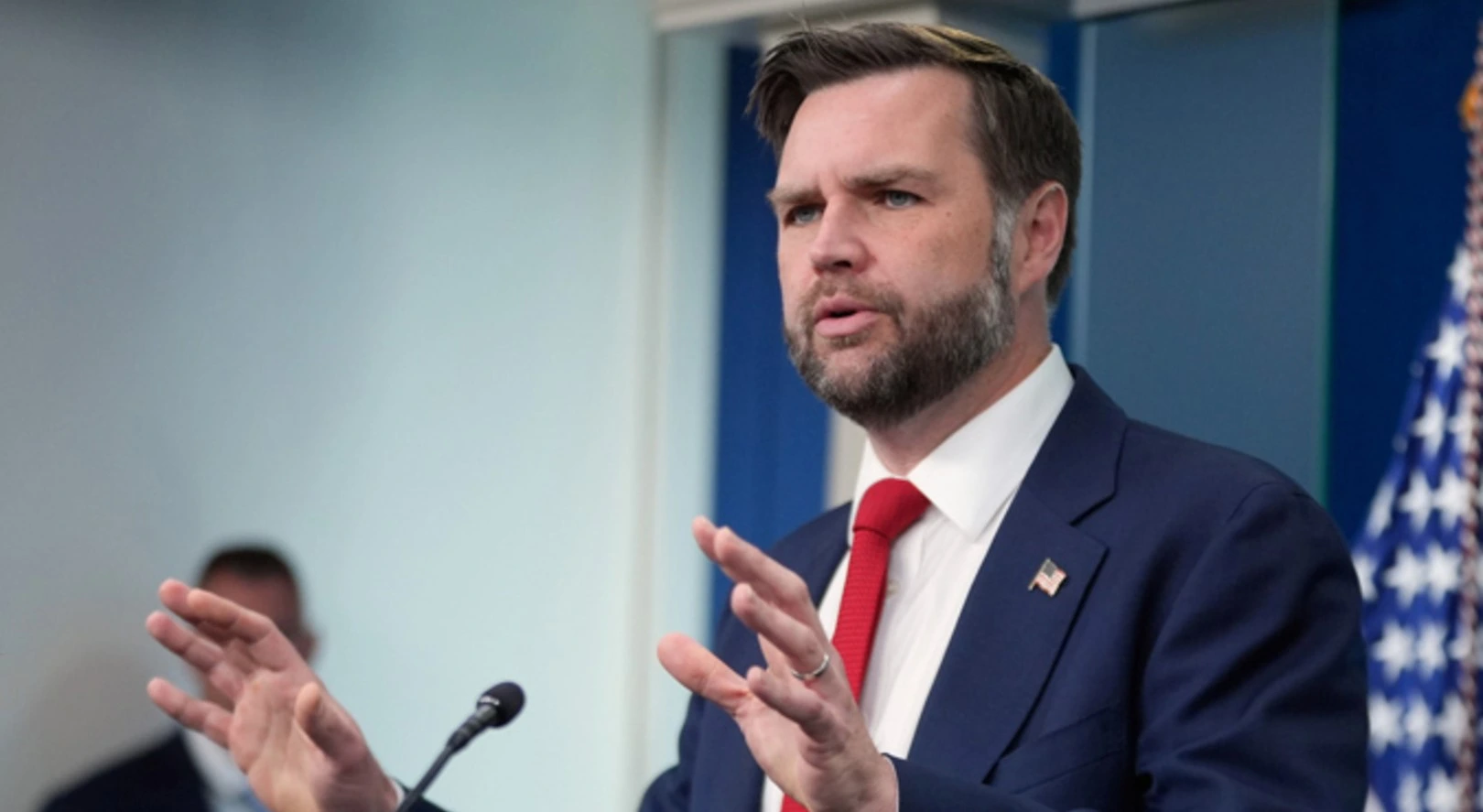
The ink on the US-Iran memorandum of understanding is barely a week old, and it is already under serious strain. Vice President JD Vance held talks with a senior Iranian delegation in Switzerland on Sunday, working through the technical details of the agreement even as Israeli strikes on Lebanon and renewed Iranian threats in the Strait of Hormuz threaten to unravel it entirely.
Vance was joined at the negotiating table by Trump’s special envoy Steve Witkoff and presidential son-in-law Jared Kushner, with mediators from Qatar and Pakistan also present. The talks centred on a memorandum of understanding signed the previous week — but Iran made clear from the outset that the situation in Lebanon would dominate the agenda. “The first mandate of the negotiating delegation in Switzerland is to end the aggression in Lebanon,” a spokesman for Iran’s presidential office said.
A Ceasefire Both Sides Say the Other Is Breaking
The Lebanon front has become the agreement’s most immediate test. Israel and the Iran-backed militant group Hezbollah have each accused the other of violating their ceasefire in southern Lebanon through continued strikes, even as both the Trump administration and Iran push for the fighting to stop entirely.
Israel killed at least 16 people in strikes on Saturday, following strikes on Friday that killed 83 — a dramatic escalation that came after Hezbollah attacks killed four Israeli soldiers in southern Lebanon. The Israel Defense Forces said in a statement that Hezbollah had breached the ceasefire by launching more than 50 projectiles toward Israeli soldiers operating in the south, and that Israel’s strikes were a response to what it described as Hezbollah targets. “The IDF remains committed to the ceasefire agreement,” the statement said.
Hezbollah rejected that characterisation entirely, saying it had adhered to the ceasefire and accusing Israel of fabricating justifications for its attacks in an effort to sabotage the broader agreement between Iran and the United States.
Iran’s position has hardened in response. Foreign Ministry spokesman Esmail Baghaei said Saturday that a violation of Article 1 of the memorandum — which specified that fighting must end on all fronts, including Lebanon — “calls the entire agreement into question,” warning that the memorandum as a whole would face serious difficulties unless the necessary measures were adopted immediately.
ALSO READ: “Italy and I Do Not Beg”: Meloni Fires Back at Trump as Italy Cancels US Trip Over Photo Claim
The Strait of Hormuz Reopens — and Closes Again
Adding to the volatility, Iran announced Saturday that it had once again closed the Strait of Hormuz — the waterway through which approximately 20% of the world’s oil supply passes — alleging ceasefire violations by Israel. The US military disputed Iran’s claim to control the strait. The Islamic Revolutionary Guard Corps’ navy warned ships not to approach the waterway, despite Iran’s commitment under the interim peace deal to keep it open.
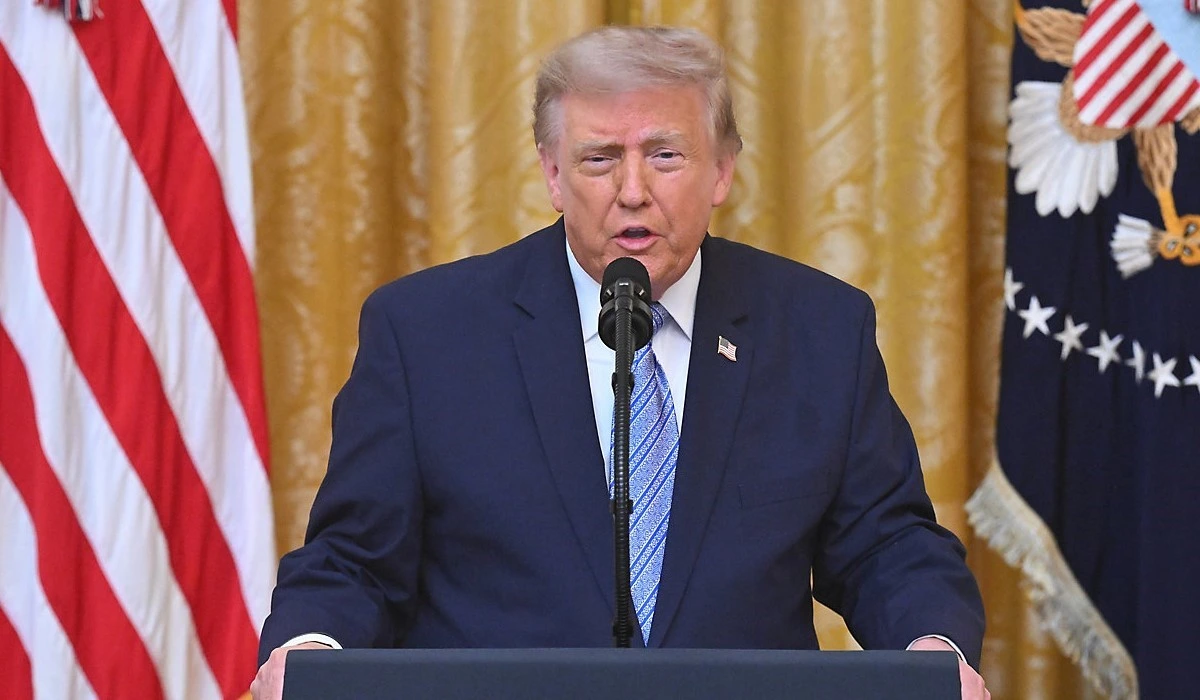
Trump weighed in directly on Saturday, posting on Truth Social that there would be “NO TOLLS” on the strait during or after the current 60-day ceasefire period “unless they are imposed by and for the United States of America” — asserting that the US itself could charge tolls for ships passing through and describing America as the “Guardian Angel” of the Middle East. The current agreement establishes toll-free passage through the strait for 60 days, a provision now caught between competing interpretations from Washington and Tehran.
Vance Says Talks Are Going Well — Trump Threatens to Strike Again
Vance struck an optimistic tone after Sunday’s initial session, telling reporters that “great” progress had been made toward a future “where everyone can work together to promote peace and prosperity.” Before boarding his flight to Switzerland, he had said the situation in Lebanon had “calmed down” despite ongoing news reports to the contrary, and identified the nuclear issue and the Lebanon ceasefire as the two priorities for the negotiations.
That optimism was undercut within hours. Shortly after Vance’s comments, Trump posted on Truth Social that the US would “hit Iran very hard again, just like we did last week, only harder!!!” unless Tehran stopped what he called “their highly paid PROXIES in Lebanon” — a direct reference to Hezbollah.
Iranian President Masoud Pezeshkian responded with an unusual public warning aimed at unspecified hardline voices inside Iran pushing for renewed conflict. Continuing the war, he said, “is not in the interest of any individual or group,” adding a striking line about internal unity: if there are “internal rifts” in Tehran, “then there will be no need for Israel and America. We will destroy the country ourselves.”
What Remains Unresolved
Beyond the immediate crisis in Lebanon, the Switzerland talks are also meant to address some of the most difficult unresolved elements of the broader agreement — chief among them, Iran’s nuclear programme. Under the terms of the memorandum, Iran has reaffirmed a commitment not to develop nuclear weapons, echoing the pledge it made under the 2015 nuclear deal negotiated during the Obama administration.
Whether that commitment, and the ceasefire underpinning it, survives the coming days may depend less on what is agreed in Switzerland than on what continues to happen on the ground in Lebanon and in the waters of the Strait of Hormuz.
Stay informed. Subscribe to the JournalTodays Newsletter for the latest Middle East news, US foreign policy coverage, and breaking world updates delivered straight to your inbox.