

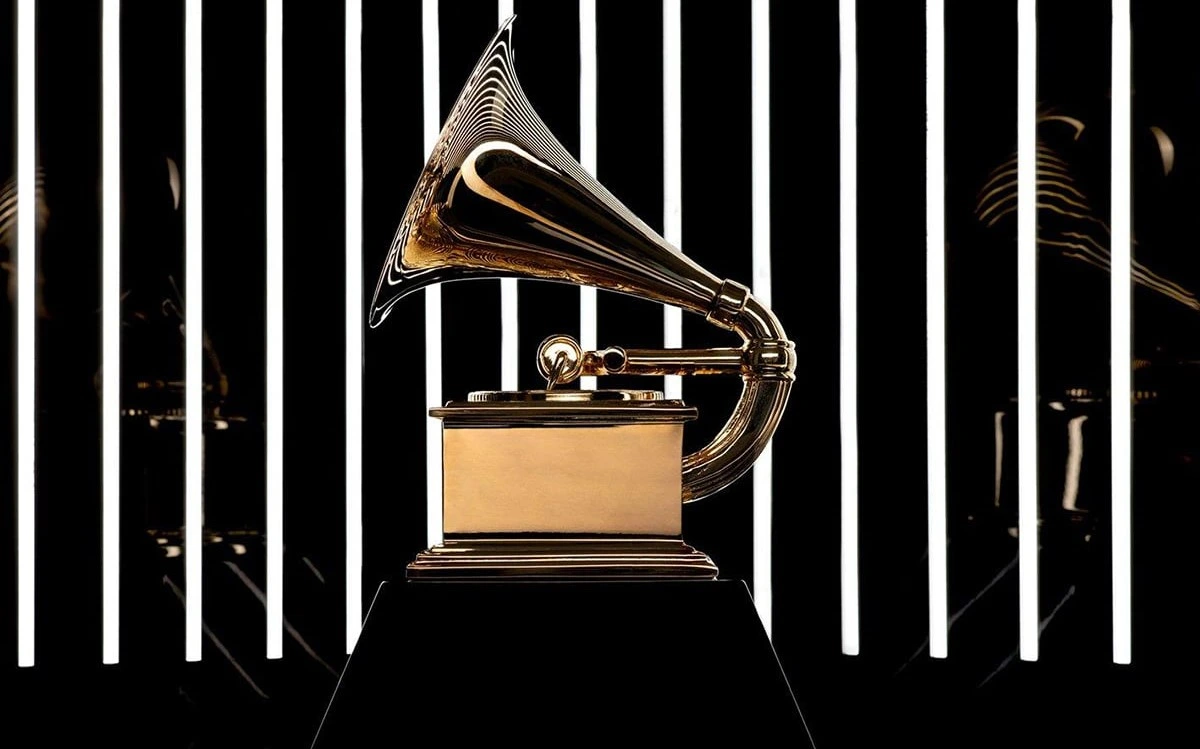
The Grammy Awards are making some of their most significant rule changes in years ahead of the 2027 ceremony on February 7th. Five new categories are being added — spanning Latin, Asian pop, and R&B genres — alongside major updates to how Best New Artist and Album of the Year eligibility work going forward.
The most far-reaching changes affect two of the ceremony’s most closely watched categories. Artists may now be submitted for Best New Artist up to four times, increased from the previous limit of three — opening the door for performers like Ella Langley, reportedly submitted in three previous years, to receive a fourth opportunity following the success of her Hot 100 number one single and her album Dandelion. Separately, the threshold of new recordings required for an album to qualify as eligible has been lowered from 75% to 66%, addressing concerns that the previous standard excluded projects widely recognised throughout the industry as genuinely new albums.
Why the Best New Artist Category Is Changing
Grammys CEO Harvey Mason Jr explained the reasoning behind the eligibility expansion in detail. “We’ve heard from the music community that the way artists are being developed is changing, and the time it’s taking to find success or recognition can take longer than it once did,” he said. “Artists are often releasing more music before they actually break through the consciousness of consumers or of our voters, and that evolution directly impacts this Category.”
The change followed a dedicated Best New Artist task force formed last year specifically to review existing guidelines. “That task force met, discussed, deliberated, and convened artists, and they came to the table with recommendations, which is what you’re seeing implemented this year,” Mason said. The album eligibility threshold change addressed a similar problem from a different angle — modern albums increasingly mix genuinely new material with remixes or live versions of previously released songs, and the 75% threshold had become, in the Recording Academy’s assessment, excessively restrictive.
ALSO READ: Tony Awards 2026: Death of a Salesman Wins Six as Schmigadoon Takes Best Musical — Full Winners List
The Five New Categories
Best Asian Pop Music Performance recognises artistic excellence in pop music originating from or widely recognised within Asian markets, including K-pop, J-pop, and C-pop, with meaningful use of one or more Asian languages.
Best R&B Collaboration or Duo/Group Performance recognises contemporary R&B works by established duos or groups, as well as collaborative work between solo artists and groups. With this addition, the existing Best R&B Performance category has been renamed Best R&B Solo Performance.
Best Traditional Pop Vocal Performance recognises singles and tracks in a style of song or performance distinct from current pop forms.
Best Traditional Folk Album recognises traditional folk recordings, with the existing Best Folk Album category renamed Best Contemporary Folk Album to reflect the distinction.
Best Latin Song recognises songwriting achievement for newly written Latin songs predominantly in Spanish, defined as at least 51% Spanish-language lyrics.
Songwriters Gain Recognition Alongside Producers and Engineers
In a move extending recognition further down the credits list, songwriters and composers contributing new material to winning albums in most genre album categories will now receive Grammy statuettes and Achievement Certificates — a recognition previously reserved for producers and engineers on those same winning projects.
“We have made so much great progress and changes in respect to the songwriter craft in recent years, from our launch of the Songwriters and Composers Wing to the addition of the Songwriter Of The Year, Non-Classical Category just a few years ago,” Mason said. “It all starts with songwriters; none of the awards really can happen without songwriters. It’s really important they feel acknowledged and celebrated in the same way producers and engineers do.”
The Recording Academy also introduced Ballot Plus, an opt-in alternative voting structure allowing members with verified expertise across multiple genres to vote in up to 15 peer-related categories regardless of genre field, based on their professional credits. Members who do not opt in, miss the selection window, or fail credit verification will continue to receive the standard ballot structure. Additional eligibility updates clarify that internet-only releases can now qualify for Best Album Notes and Best Historical Album as long as the supplementary materials are included as part of the commercial digital download.
Stay informed. Subscribe to the JournalTodays Newsletter for the latest Grammy Awards news, music industry updates, and entertainment coverage delivered straight to your inbox.