
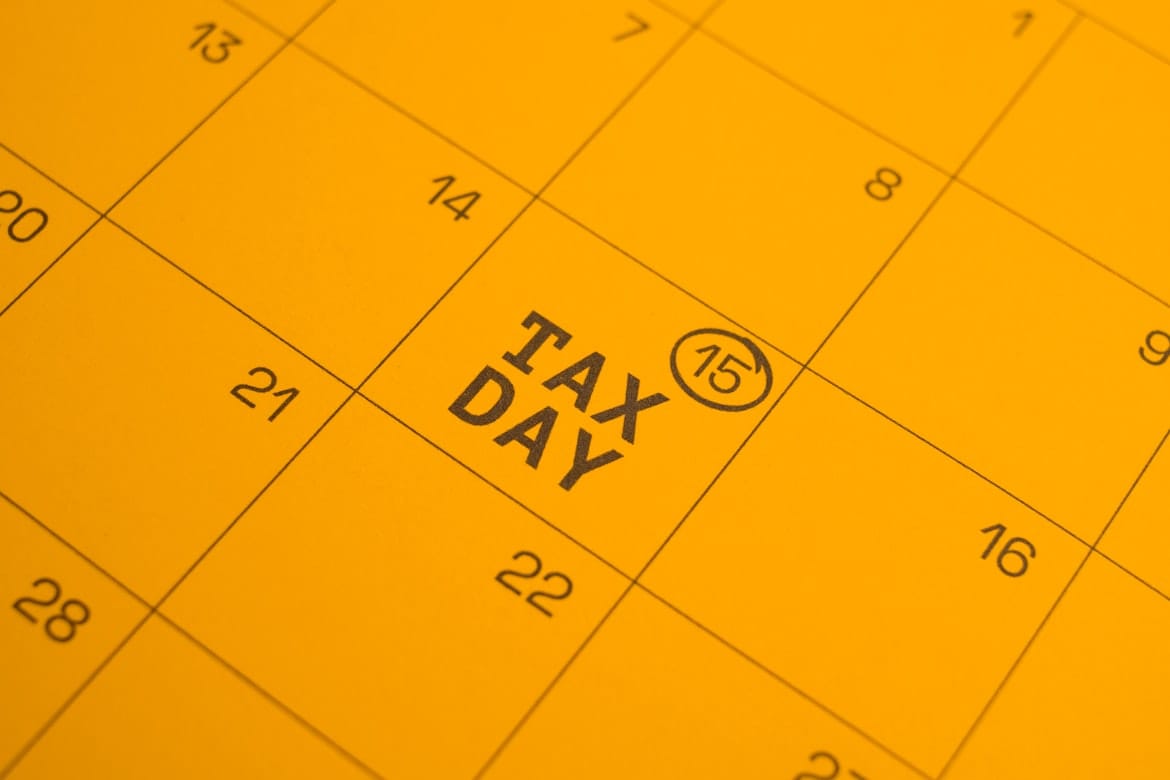
Tax Day has arrived — and for Republicans on Capitol Hill, it is not quite the victory lap they had hoped for.
When the party pushed through its sweeping tax legislation last year, the political calculation seemed straightforward: deliver bigger refunds, let voters feel the difference in their pockets, and reap the electoral rewards. But the numbers tell a more complicated story, and the messaging battle that follows may prove just as difficult as the legislation itself.
The Refund Gap — A Promise Unmet
Senior Republicans, including President Donald Trump, had set expectations high. Refunds, they promised, would grow by as much as $1,000 — with average checks potentially surpassing $4,000. It was a bold and concrete pledge, the kind that voters tend to remember.
What actually arrived was significantly more modest. According to the IRS’s most recent filing season data, average refunds had climbed by roughly $350 compared to 2025 — an increase of around 11 percent — but fell below $3,500 by the start of April. That is a meaningful gap between promise and reality, and one that Democrats have wasted no time in highlighting.
The shortfall has left many Americans feeling underwhelmed, even confused. A poll from the Bipartisan Policy Center found that barely a quarter of taxpayers who had filed their returns believed the tax law had actually helped them. Perhaps more troublingly for Republicans, only around a third of those who had specifically taken advantage of new provisions — including the “no tax on tips” and “no tax on overtime” benefits — felt they had received a meaningful boost.
Some Wins Worth Acknowledging
To be fair, the picture is not entirely bleak for the GOP. The legislation did deliver real benefits to millions of households, and some of the new provisions have exceeded expectations.
More than 20 million households had claimed the new deduction for overtime pay by the end of March — well ahead of projections for the full filing season. The tip income incentive has similarly outpaced forecasts. Around 20 million senior households are also taking advantage of an additional deduction specifically designed for older Americans.
Republicans have a genuine story to tell. The challenge is that very few people are hearing it.
A Messaging Problem — Compounded by Bigger Headlines
Part of the difficulty is structural. As Donald Schneider of investment bank Piper Sandler pointed out, roughly half of the $100 billion in retroactive tax relief delivered by last year’s legislation is arriving not in the form of larger refunds, but through households simply owing the IRS significantly less than they otherwise would have. That is real money — but it is largely invisible to people who do not spend time studying their tax liability.
“The focus on refunds misses half the story,” Schneider said. “It is important to not lose sight of both types of tax relief.”
And then there is the Iran problem. The ongoing conflict and the surging fuel prices it has produced are consuming the political oxygen that Republicans had hoped to fill with talk of tax relief. Gas prices at the pump are a daily, visceral reminder of economic strain — the kind of thing that drowns out abstract conversations about deductions and adjusted withholding schedules.
Even Grover Norquist, one of the most prominent tax-cut advocates in Washington, acknowledged the challenge at a pre-Tax Day event. “War’s kind of out of my control sometimes,” he said, noting that a quick resolution to the Iran conflict could ease some of the pressure — but adding candidly: “That’s not guaranteed.”
The Party’s Response
Republicans are not sitting still. Congressional leaders are co-authoring opinion pieces with business group heads to amplify the tax cut message. The party’s House campaign arm has ramped up tax-themed digital advertising. President Trump is heading to Nevada and Arizona this week to personally promote new tax incentives — particularly the “no tax on tips” provision, which he first proposed in Las Vegas during his 2024 campaign.
Senator James Lankford of Oklahoma acknowledged the difficulty of breaking through the noise, but remained optimistic that the message would land eventually. “It’s hard to do the messaging when there are a lot of other things people are concerned about,” he said.
Democrats See an Opening
While Republicans scramble to sell their cuts, Democrats are leaning into a familiar and effective counter-narrative. A recent Fox News poll found that seven in ten voters believe their tax burden is too high — largely, they feel, because wealthy Americans are not paying their fair share. That sentiment fits neatly into the Democratic argument that the “One Big Beautiful Bill Act” was primarily a giveaway to the rich, mirroring criticisms of the 2017 Trump tax cuts — but this time with additional cuts to social safety-net programmes layered on top.
It is a message that appears to be resonating, even among some of the people who technically benefited from the new law.
The Bigger Picture Heading into Midterms
Republicans entered this tax fight with their eyes open to the political risks. Their razor-thin House majority gives them little margin for error, and full control of government under a second Trump term traditionally invites backlash in midterm elections regardless of policy outcomes.
Veterans of the 2017 tax cuts had long argued that one of the biggest mistakes back then was that voters simply did not see or feel enough of the benefits before they headed to the polls in 2018 — an election that cost Republicans the House. This time around, the party tried to correct that by front-loading visible, tangible benefits.
Whether they succeeded will not be fully known until November. But as Tax Day 2026 arrives, the gap between the promise and the perception remains one of the most pressing challenges the party faces.