


We all know exercise is good for us. Better mood, stronger body, sharper mind — the benefits are well documented and hard to argue with. Yet when the alarm goes off at 6 AM or the workday drains every last drop of energy from you, that gym bag sitting by the door can feel impossibly heavy.
The truth is, motivation is not something you either have or you do not. It is something you build — with the right habits, environment, and mindset in place. Here are 32 genuinely practical ways to get yourself moving and, more importantly, keep yourself moving.
General Tips to Get Started
1. Know Your Real Why
External motivators — an upcoming holiday, a wedding, a reunion — fade quickly. What lasts is a deeply personal reason to exercise. Whether it is managing stress, setting an example for your children, or simply feeling better in your own skin, identify your real why and come back to it whenever motivation dips.
2. Pick a Cause to Compete For
Signing up for a charity run or a sponsored fitness challenge gives your workout a purpose beyond yourself. Many events support causes such as cancer research, Alzheimer’s awareness, diabetes advocacy, or mental health initiatives. Knowing your miles mean something bigger can be remarkably powerful.
3. Always Have a Backup Plan
Keep a bag in your car with a spare set of workout clothes and a pair of trainers. Have a simple fallback workout ready — a nearby walking route, a ten-minute bodyweight routine — so that when plans change, your workout does not have to disappear entirely.
4. Follow the 3 x 10 Rule
Pressed for time? Three ten-minute walks spread across the day add up to a meaningful amount of movement. Swap one of those walks for a quick round of squats, push-ups, and core work, and you have covered your bases without clearing a single hour from your diary.
5. Use Post-it Notes as Visual Reminders
Stick short, positive messages on your alarm clock, bathroom mirror, or laptop screen. Simple phrases — “You always feel better after” or “Show up for yourself today” — act as gentle nudges throughout the day when motivation is running low.
6. Leverage Social Media Accountability
You do not need thousands of followers for this to work. Even a small fitness account shared with a handful of friends creates a sense of accountability. Research suggests that the combination of support, shared goals, and healthy competition in online communities can meaningfully improve exercise consistency.
Tips for Exercising on Your Own
7. Schedule It Like a Meeting
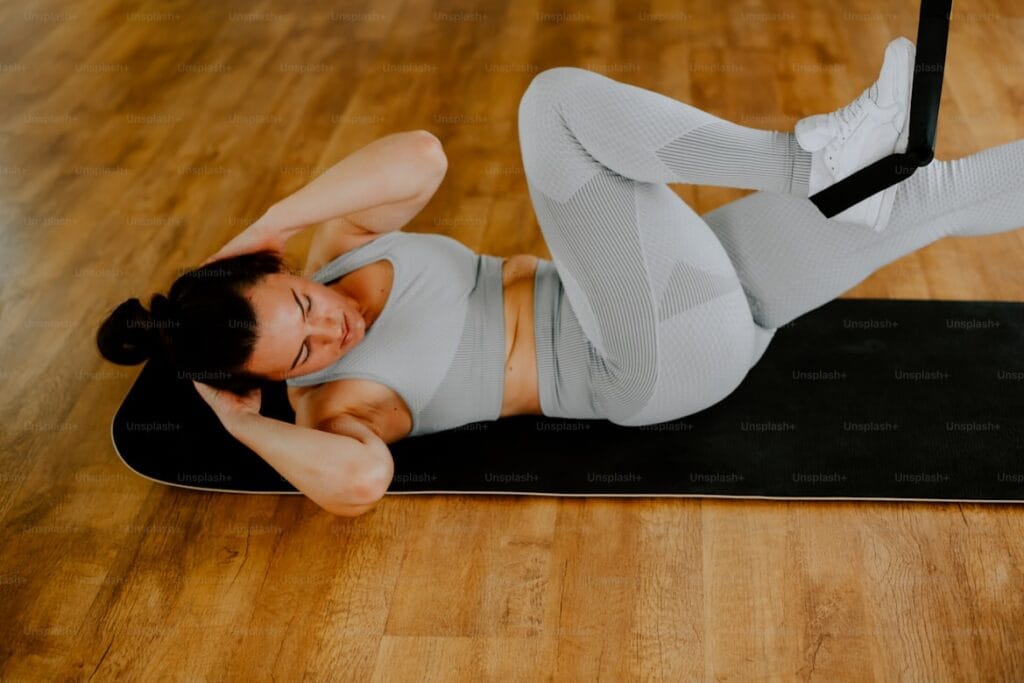
Decide in advance what you will do, when, where, and for how long. Write it down. Studies show that people who maintain a consistent exercise schedule — particularly morning workouts — are significantly more likely to stick with it over time.
8. Make Media Your Workout Reward
Reserve a favourite TV series, podcast, or video game exclusively for exercise time. Suddenly, the treadmill becomes the place where you get to watch your show — not something to dread.
9. Train for a Specific Event
Nothing focuses the mind quite like a deadline. Sign up for a race, a charity walk, or a fitness challenge a few months out. Pay the entry fee. Commit. That financial and social commitment has a way of getting you out of bed on the mornings you would rather stay under the covers.
10. Try a Structured Challenge
Programs like Couch to 5K, 75 Hard, or 75 Soft provide day-by-day structure so you never have to figure out what to do next. The guesswork is removed, which makes showing up significantly easier.
Tips for Morning Workouts
11. Sleep in Your Workout Clothes
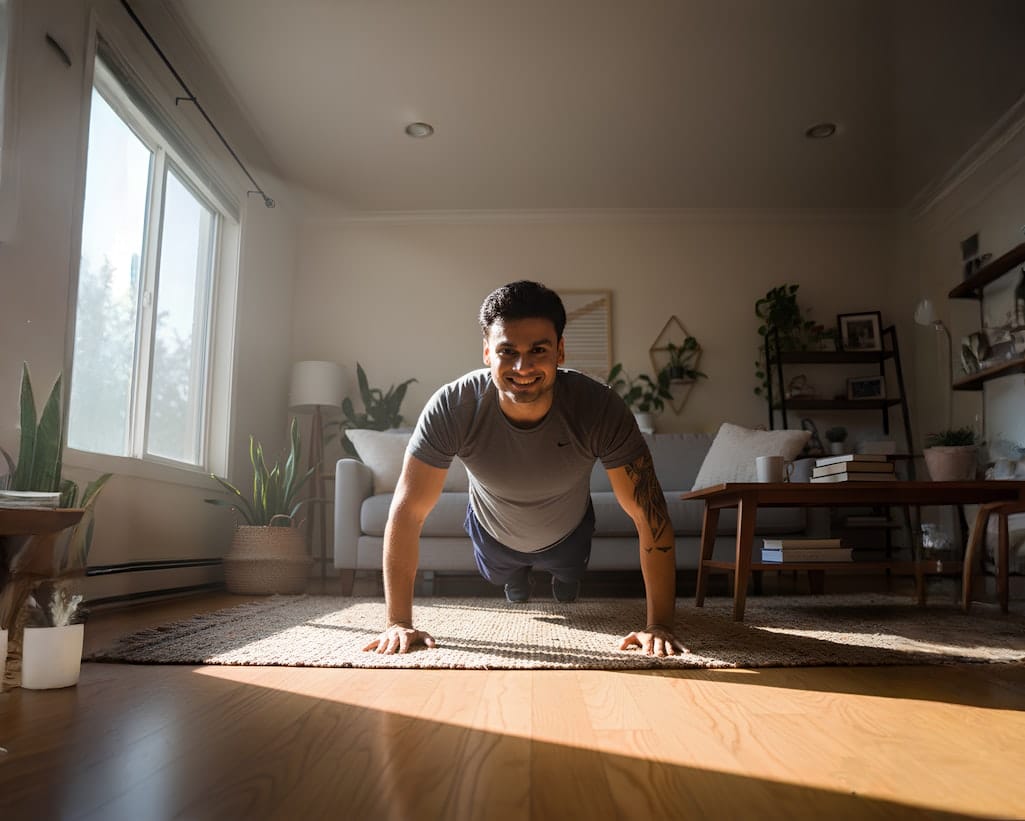
If laying your clothes out the night before is not enough, try wearing them to bed. It sounds extreme, but it removes one more decision from a foggy morning mind — and you are already halfway ready before you have even opened your eyes.
12. Put Your Alarm Across the Room
Placing your alarm out of arm’s reach forces you to physically get up to silence it. Once you are on your feet, returning to bed becomes a more deliberate choice — and most of the time, you will not bother.
13. Find a Workout Buddy
Having someone waiting for you is one of the most reliable motivational forces in existence. Research shows that exercising with a partner can also change how hard the workout feels — making it seem less demanding and more enjoyable.
14. Save Your Favourite Podcast for Morning Only
Choose an audiobook or podcast series you are genuinely excited about and make it your morning workout exclusive. You will find yourself looking forward to the alarm.
Tips for At-Home Workouts
15. Create a Dedicated Exercise Space
A spare corner of the living room, a cleared space in the bedroom, or a basement setup — having a designated area for exercise signals to your brain that this space means business. It reduces distractions and gets you into the right headspace faster.
16. Pick One Fitness App and Stick with It
The abundance of fitness apps available today is both a gift and a trap. Choose one, plan your weekly sessions in advance — cardio Monday, yoga Tuesday, strength Wednesday — and follow it consistently rather than endlessly browsing for the perfect workout.
17. Put Your Phone in Another Room
Nothing derails a home workout quite like a phone notification. Remove the temptation entirely by leaving it in a different room while you exercise.
Tips for Daily Movement
18. Use Your Lunch Break
A 20 to 30-minute lunchtime walk with a colleague or a quick gym visit during the middle of the day breaks up the workday and means exercise is done before the post-work fatigue sets in.
19. Move More Without Trying
Park further from the entrance. Take the stairs. Walk while on phone calls. These small choices accumulate into a meaningful amount of movement over the course of a week without requiring any extra scheduled gym time.
20. Add Variety to Prevent Boredom
Doing the same workout week after week is a reliable path to burnout. Rotate between classes, cardio formats, and strength training to keep things interesting and challenge your body in new ways.
21. Rest Without Guilt
Overtraining is a real risk, and it is one of the most common reasons people quit. Build at least one full rest or active recovery day into your week — a gentle walk, some stretching, or yoga counts — and treat it as an essential part of your programme, not a failure.
Tips for After-Work Exercise
22. Go Before You Go Home
The moment you walk through your front door, the sofa becomes a powerful rival. Go directly from work to the gym, track, or trail before heading home. Changing at the office removes one more barrier.
23. Promise Yourself Just Ten Minutes
On the days when the very idea of a full workout feels impossible, tell yourself you only have to do ten minutes. Get dressed. Start moving. The vast majority of the time, momentum will carry you through to a full session.
24. Choose Exercise You Actually Enjoy
This sounds obvious, but it is overlooked constantly. If you dread running, do not run. Find movement that energises you — dancing, swimming, cycling, martial arts, a team sport — and the after-work workout stops feeling like a punishment.
Tips for Weight Loss Goals

25. Set Small, Stackable Goals
The end goal can feel overwhelming. Break it down into daily actions, then weekly milestones, then monthly checkpoints. Small wins build confidence and momentum — both of which are essential for the long haul.
26. Surround Yourself with Like-Minded People
Your environment shapes your behaviour more than willpower ever will. Spend time with people who prioritise health and fitness, and those values will gradually become your own.
27. Ditch the All-or-Nothing Mindset
Research consistently shows that rigid, all-or-nothing approaches to diet and exercise are not sustainable. One missed workout is not a failure — it is a Tuesday. Give yourself flexibility and focus on long-term lifestyle change rather than short-term perfection.
28. Use the Half-Plate Rule When Eating Out
Restaurant portions are frequently double what a single serving should be. When your meal arrives, immediately set aside half in a takeaway container. You eat a reasonable portion, feel satisfied, and have lunch sorted for tomorrow.
Tips for Healthy Eating
29. Meal Prep One Day a Week
Choose a single day — Sunday works well for most people — to prepare two or three lunches for the week ahead. Having ready-made healthy food available removes the decision fatigue that leads to poor choices on busy weekdays.
30. Add, Do Not Subtract
Rather than focusing on cutting things out, ask yourself what you could add to your meals. More vegetables, more fruit, more fibre. This positive framing is far easier to sustain than a list of forbidden foods.
31. Try One New Healthy Recipe Each Week
A single new recipe per week — built around a lean protein, vegetables, a complex carbohydrate, and healthy fats — keeps your meals interesting without overhauling everything at once. Over a year, that is over 50 new dishes added to your repertoire.
32. Swap Sugary Drinks for Flavoured Water
Cutting out fizzy drinks and fruit juices is one of the highest-impact, lowest-effort dietary changes most people can make. Add fresh mint, cucumber, lemon, or berries to still or sparkling water for a genuinely satisfying alternative.
When to Work with a Professional
If you are new to exercise, returning after a long break, or managing a health condition, working with a certified personal trainer can be one of the best investments you make. A good trainer designs a programme suited to your specific needs, monitors your form to prevent injury, and provides the accountability structure that many people struggle to create on their own.
When looking for a trainer, seek out certifications from reputable bodies such as the National Strength and Conditioning Association, the American College of Sports Medicine, the American Council on Exercise, or the National Academy of Sports Medicine.
The Bottom Line
Motivation is not a personality trait — it is a practice. The people who exercise consistently are not necessarily more motivated than you. They have simply built systems, habits, and environments that make showing up the easier choice.
Start with one or two of the strategies above. Build from there. And remember — the best workout is always the one you actually do.