
The $111 billion Paramount-Warner Bros. Discovery merger has cleared its final legal hurdle. US District Judge Araceli Martínez-Olguín approved the settlement between Paramount and the coalition of twelve Democratic state attorneys general on Wednesday, and the combined company is now set to formally close on October 6th — the most expensive takeover in Hollywood history.
The ruling clears the path for David Ellison — son of Oracle founder Larry Ellison — to absorb Warner Bros. Discovery into a new combined megastudio alongside newly announced co-CEO Ynon Kreiz, who is stepping down as Mattel’s chief executive to join the merged entity. The combined company will bring together Paramount Studios and Warner Bros., HBO Max and Paramount+, CBS, CNN, MTV, Comedy Central, TBS, Food Network, and franchises including Harry Potter, Game of Thrones, the DC Universe, Yellowstone, Mission: Impossible, Top Gun, and the Nickelodeon children’s empire.
“[T]he Court finds the proposed consent decree represents a reasonable factual and legal resolution of the dispute,” Martínez-Olguín wrote. The judge found the settlement to be “procedurally sound” and a “fair, reasonable, and good faith approach to address the competitive harms alleged in the Complaint.”
What the Settlement Requires
The consent decree does not include the structural divestitures California Attorney General Rob Bonta had initially demanded, but it contains binding operational requirements with significant penalties for non-compliance. Key terms include: a prohibition on selling the Paramount Studios or Warner Bros. lots in California for at least five years; a minimum additional $300 million in annual US film production; at least 30 theatrical releases per year in the first two years and 32 in years three through five; a mandatory 45-day theatrical window for wide-release films; a 90-day streaming holdback for qualifying films; and a $30 million per-film penalty for missing annual release quotas, with divestiture of Paramount’s stake in Miramax in play if shortfalls go unaddressed.
The merged company will also be subject to monitoring by a “news editorial independence board” establishing journalistic principles for CNN and CBS News. The deal also carries a backstop: if the combined company fails to comply with the consent decree’s terms, divestiture of studios or cable channels becomes mandatory.
The judge acknowledged “meaningful grounds for disappointment” with the settlement — notably citing Connecticut Attorney General William Tong’s push for full divestiture of CNN and CBS News — but ruled those hopes did not constitute legal grounds to reject the negotiated resolution. “This proposed consent decree reflects a compromise of the claims short of full adjudication,” she wrote.
Who Will Run the Merged Company
Warner Bros. Discovery CEO David Zaslav is expected to depart once the deal closes. He stands to receive more than $550 million in stock and cash, including $34.2 million in severance. WBD’s chief revenue officer Bruce Campbell and CFO Gunnar Wiedenfels are also anticipated to exit.
Casey Bloys, head of HBO at Warner Bros. Discovery, is expected to assume oversight of the combined streaming operation after Cindy Holland announced Tuesday she was stepping down from running Paramount+.
The financing behind the deal is substantial. Larry Ellison personally guaranteed $46.7 billion in equity financing. The sovereign wealth funds of Saudi Arabia, Qatar, and the UAE have committed approximately $24 billion and will collectively own 38.5% of the combined company.
Ruffalo and the Opposition React
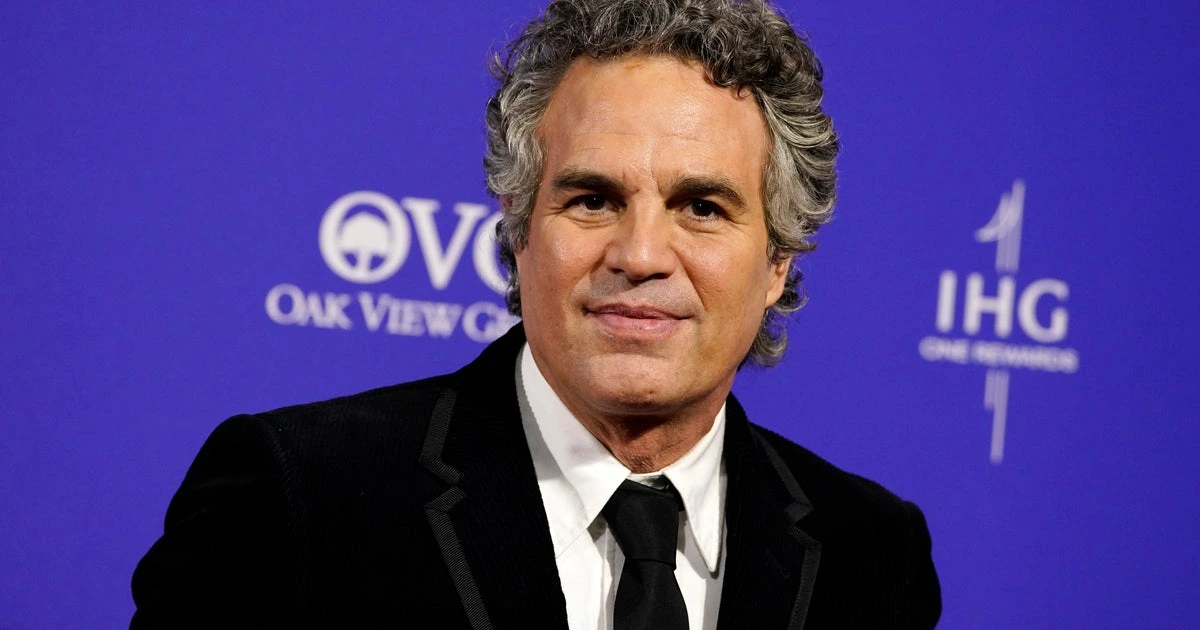
The ruling did not go down quietly. Actor Mark Ruffalo, one of the most visible celebrity opponents of the merger alongside Jane Fonda, Joaquin Phoenix, Noah Wyle, and Ben Stiller, condemned the outcome in a post on X.
“This merger will stifle creativity, weaken free speech, and cost people their jobs — it is a bad deal for this country and should never have been approved,” Ruffalo wrote. “This is an incredibly disappointing outcome for the hundreds of thousands of us who stood up to block it, but it’s also not the end. This grassroots movement isn’t going to fade away and neither is our resolve. This was never about just one merger: this was about fighting back against corrupt oligarch billionaires trampling the interests of everyday people to line their own pockets. We’re still in that fight. Join us.”
Senator Cory Booker expressed disappointment, saying the settlement did not resolve the concerns that motivated the antitrust suit. “Above all, I worry about the workers, artists, and moviegoers who always pay the price when studios consolidate, and about the creative expression that disappears when fewer companies decide what gets made,” Booker said. “Past entertainment mergers brought layoffs, shelved projects, and higher prices.”
The League of United Latin American Citizens raised separate concerns in a court filing, warning the combined company would invest less in productions about Black and Latino communities than two independently competing studios would.
The merger has been cleared in 68 jurisdictions worldwide, including by the US Department of Justice.
Stay informed. Subscribe to the JournalTodays Newsletter for the latest Paramount merger news, Hollywood business coverage, and entertainment industry updates delivered straight to your inbox.