
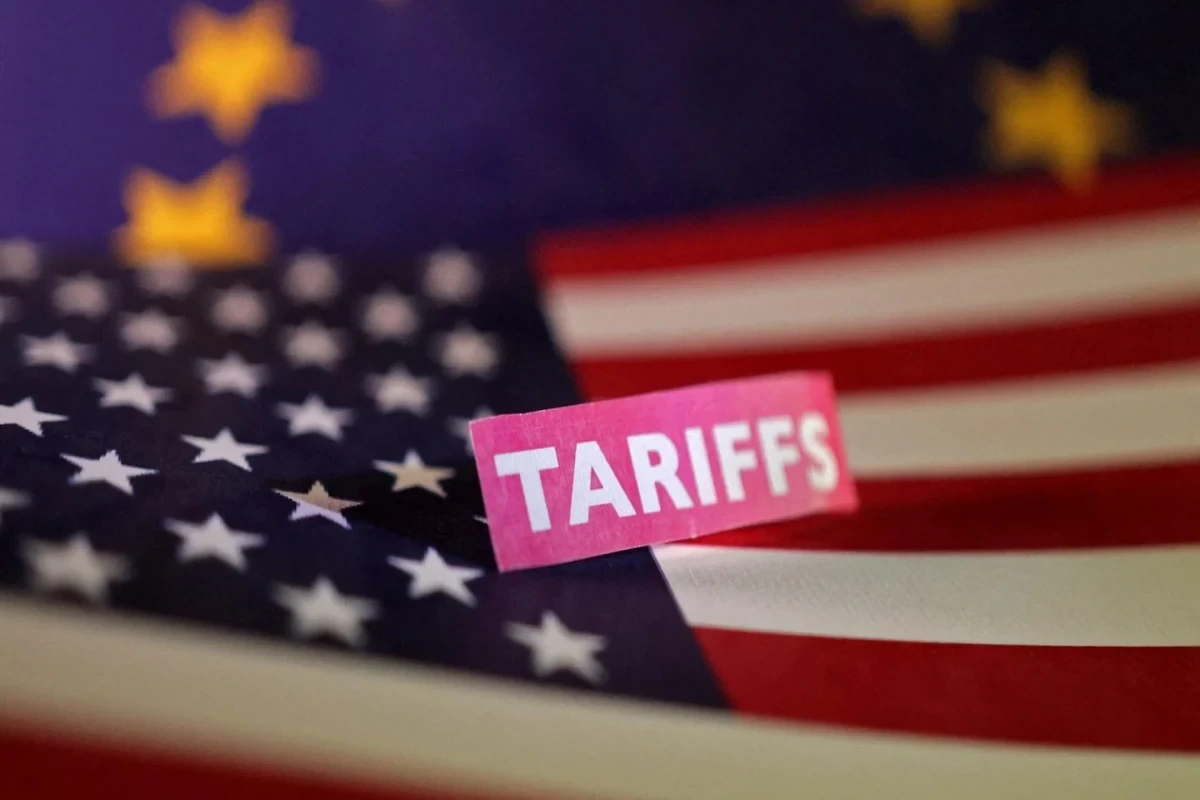
The Trump administration has imposed fresh tariff increases of 10% to 12.5% on 60 economies, citing their failure to adequately enforce a ban on goods produced using forced labour — and the response from trading partners has been swift, uniformly hostile, and in several cases disbelieving. Australia, New Zealand, Japan, the European Union, Singapore, South Korea, and China all pushed back on Friday, with Australia’s trade minister describing the tariffs as “completely unjustified.”
The new duties took effect at 12:01am Friday, coinciding with the expiry of stopgap levies Trump had imposed after suffering a setback at the Supreme Court. The US Trade Representative’s office spent four months investigating forced labour practices to build the legal case for the tariffs under Section 301 of the US Trade Act of 1974 — a process analysts say makes these duties less legally vulnerable than earlier rounds.
What Countries Are Saying
Australia faces a tariff of 12.5% on its exports — up from the 10% level imposed on “Liberation Day” last year. Trade Minister Don Farrell rejected outright the suggestion that a major exporter of beef, gold, and copper had failed to address modern slavery. “We believe that amongst all of the countries in the world Australia does take the issue of slavery, modern slavery, seriously, and will continue to do that,” Farrell said. He added that Australia believes the tariffs are “completely unjustified” and would lobby the USTR for their removal.
New Zealand Prime Minister Christopher Luxon, also facing a 12.5% tariff, called the measures “extremely disappointing,” unjustified, and harmful to trade, adding that “tariffs are not the way — they drive up costs and uncertainty for businesses.”
Japan protested the 12.5% tariff on its exports by pointing to prior assurances. Tokyo says it had been told by the Trump administration that no additional tariffs would be imposed beyond the 10% rate agreed in an earlier deal. “Our understanding is both sides are still committed to that,” chief cabinet secretary Minoru Kihara said. He described the new duties as “regrettable,” arguing that Japan’s trade practices are consistent with international rules.
European Union foreign policy chief Kaja Kallas questioned the basis of the US position directly. “If you compare our labor laws to the ones of the United States — we have paid vacations, we have very good labor conditions for our employees — so it’s not really grounded,” she said.
China’s foreign ministry reiterated its standard opposition to “all forms of unilateral tariffs,” with spokesman Lin Jian saying that “tariff wars and trade wars do not serve any parties’ interests.” Some Chinese exporters say the new rates — sitting around 12.5% — are considerably less painful than last year’s 34% “Liberation Day” tariffs. One manufacturer of Christmas decorations in Dongguan said his US sales had already fallen to 10-20% of total revenue as he pivoted to Europe, which now represents roughly 70% of his business.
South Korea said it would maintain close communication with Washington to preserve a balance of benefits, noting that combined duties on its exports should not exceed 15%. Singapore said it does not condone forced labour and would engage the USTR to explore options. Thailand noted that the new 12.5% tariff exempts around 2,120 product categories representing more than half the value of its US-bound exports.
Why These Tariffs May Stick — and What Comes Next
Wendy Cutler, a former senior US trade official now at the Asia Society Policy Institute, said the tariffs involved “few surprises” given their relatively modest scale. She noted that the four-month Section 301 investigation provides a stronger legal foundation than earlier tariff rounds. “Time will tell whether the third attempt to impose tariffs is the charm and this action stands up to legal challenges,” she said.
The administration also included significant product exclusions — particularly for goods the US does not itself produce — which analysts say will limit the broader economic damage. “These tariffs are lower than the earlier ‘reciprocal’ tariffs and appear to exempt a substantial proportion of Asia’s current trade flows with the US,” said William Bratton of BNP Paribas. However, Cutler warned that the duties will still “contribute to higher prices both for end consumers and businesses importing inputs and machinery.”
A further round of tariffs may follow in the autumn related to alleged structural excess production capacity, with an ongoing US investigation targeting 16 countries whose findings have not yet been announced.
Trump and Chinese President Xi Jinping, who established new trade and investment boards at their May meeting in Beijing, are expected to meet again in September — a diplomatic calendar that could shape how China manages its response to the latest tariff escalation.
Stay informed. Subscribe to the JournalTodays Newsletter for the latest trade news, global economy coverage, and business updates delivered straight to your inbox.