
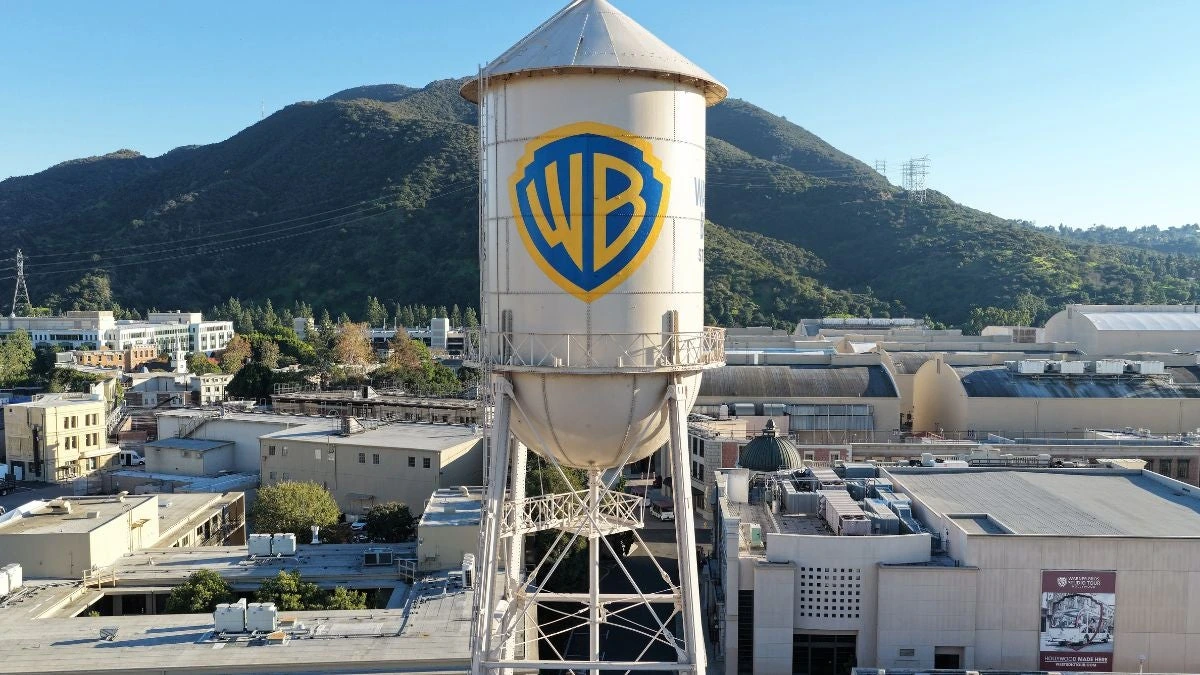
A coalition of Democratic state attorneys general is moving to block the $110 billion merger between Paramount Skydance and Warner Bros. Discovery, filing an antitrust lawsuit that could arrive in federal court as early as Monday. The action, led by California Attorney General Rob Bonta and including New York AG Letitia James, Connecticut AG William Tong, and Washington state AG Nick Brown, will argue that a combined Paramount-Warner Bros. would stifle competition, reduce consumer choice, and concentrate enormous power over both theatrical film distribution and streaming.
“It’s classic market domination for movies and streaming services, stifling competition,” said one source with direct knowledge of the draft legal document. “A joint Warner Bros. and Paramount could squeeze out other players and offer audiences reduced choice” — with particular concern focused on the combined leverage the merged entity would hold over cinema chains, Paramount+, and HBO Max.
The lawsuit arrives despite the merger having received unconditional approval from the Trump administration’s Department of Justice on June 12th — a clearance that multiple sources say overruled internal DOJ officials who believed the deal warranted further review. The Trump administration’s approval has itself become a political flashpoint, with critics alleging that the green light was accelerated by the close relationship between President Trump and Paramount Skydance CEO David Ellison. A separate complaint over those allegations is embedded in the broader controversy, though sources familiar with the AGs’ suit stress that the legal action is “fundamentally an antitrust action” rather than a political one.
What the Deal Looks Like — and What the AGs Want
Paramount Skydance beat out a competing $89 billion Netflix offer for Warner Bros. Discovery’s streaming and studio assets in February, ultimately winning with a deal valuing the combined entity at $110 billion. Dozens of international regulators — including those in France, Canada, Brazil, Saudi Arabia, Germany, Australia, and China — have approved the merger. The UK’s Culture Secretary has said she is “minded to intervene,” and the EU pushed a provisional deadline to July 22nd.
The AGs are seeking an immediate temporary injunction to halt the merger while the antitrust case is heard — a move that could significantly delay or permanently derail the deal even with DOJ approval in hand. Paramount had hoped to close fully by mid-July. If the deal is not completed by September 30th, a penalty clause activates requiring Paramount to pay approximately $7 million per day to WBD shareholders. A full collapse of the deal would trigger a $7 billion reverse termination payment from Paramount to WBD.
The financial stakes are severe. The combined entity would carry nearly $80 billion in debt from day one. Paramount shares have lost 30% of their value in 2026 to date, closing Friday at $9.41. WBD shares, which more than doubled in late 2025 as multiple bidders competed for the company, have drifted down 8% this year to $26.59.
Paramount Skydance pushed back firmly in a statement, saying the deal “raises no such concerns, as demonstrated by the dozens of antitrust authorities around the world that have carefully reviewed the transaction and either cleared it or concluded that it does not violate applicable competition laws.” The company said it would “continue to defend it vigorously” and argued that the merged entity would create “a stronger challenger to dominant global streaming and technology platforms.”
The Political and Industry Backdrop
The lawsuit lands in the middle of a midterm election year in which California’s Bonta is seeking re-election and the Paramount-WBD deal has become a live issue in both the LA mayor’s race and the California governor’s contest. The AGs’ coalition has been in a series of high-profile legal confrontations with Trump-aligned corporate deals over the past year, including antitrust actions against Live Nation and Ticketmaster and the now-paused Nexstar-Tegna merger — both of which went against the Trump administration in court.
President Trump has been open about his desire to see CNN, currently part of WBD, “go on a normal path” under the Ellisons — a comment made as recently as a July 12th phone interview with CNN’s Jake Tapper. That appetite for a specific editorial outcome at a major news organisation has added another layer of scrutiny to the political dimensions of the merger’s approval.
Whether the AGs succeed in obtaining an injunction, or whether Paramount offers concessions — around production benchmarks, employment guardrails, or editorial independence — that settle the case before it reaches a full court hearing, is now the defining question for one of the most consequential media mergers in years.
Stay informed. Subscribe to the JournalTodays Newsletter for the latest entertainment industry news, media mergers, and business coverage delivered straight to your inbox.