
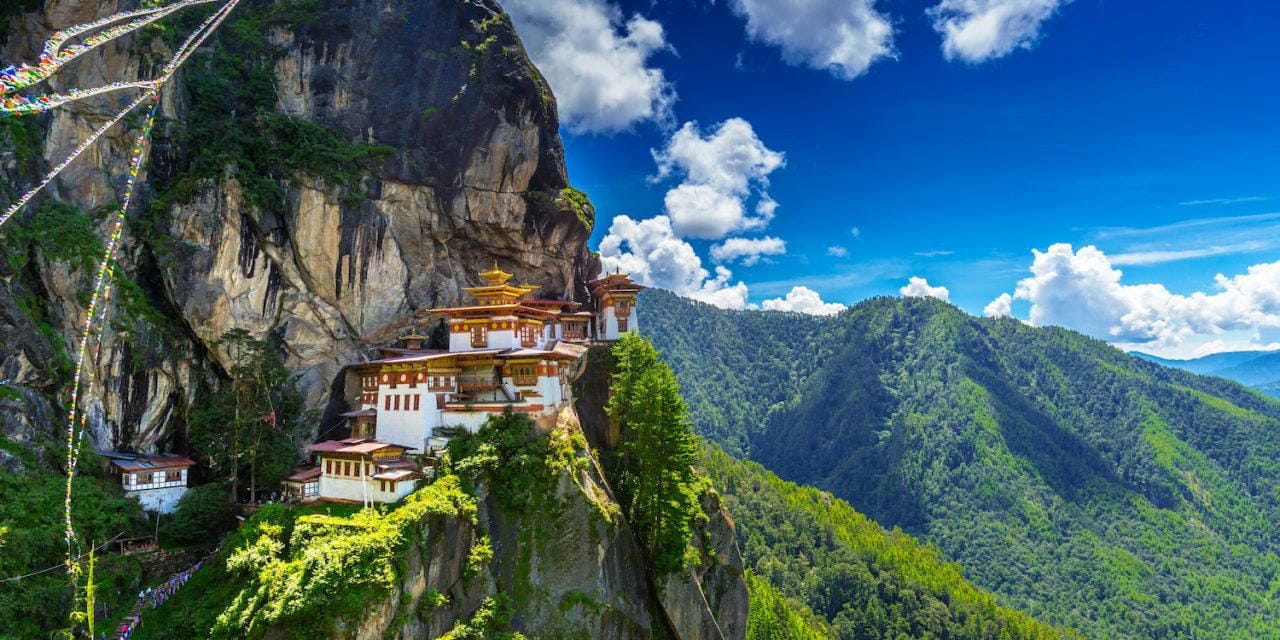
One of the world’s most secretive and hard-to-reach kingdoms is preparing to welcome the world like never before. Bhutan — the tiny Himalayan nation famous for measuring Gross National Happiness — is building a new international airport and an entirely new city, and the implications for global travel are significant.
What Is Bhutan Building — and Why Does It Matter?
At the heart of Bhutan’s transformation is Gelephu International Airport, slated to open in 2029 in the country’s lush southern lowlands near the Indian border. The project already won the Future Project of the Year award at the 2025 World Architecture Festival. Its timber terminal — built from Bhutanese wood — is designed to naturally regulate humidity and echo the mountain landscapes visible beyond its walls.
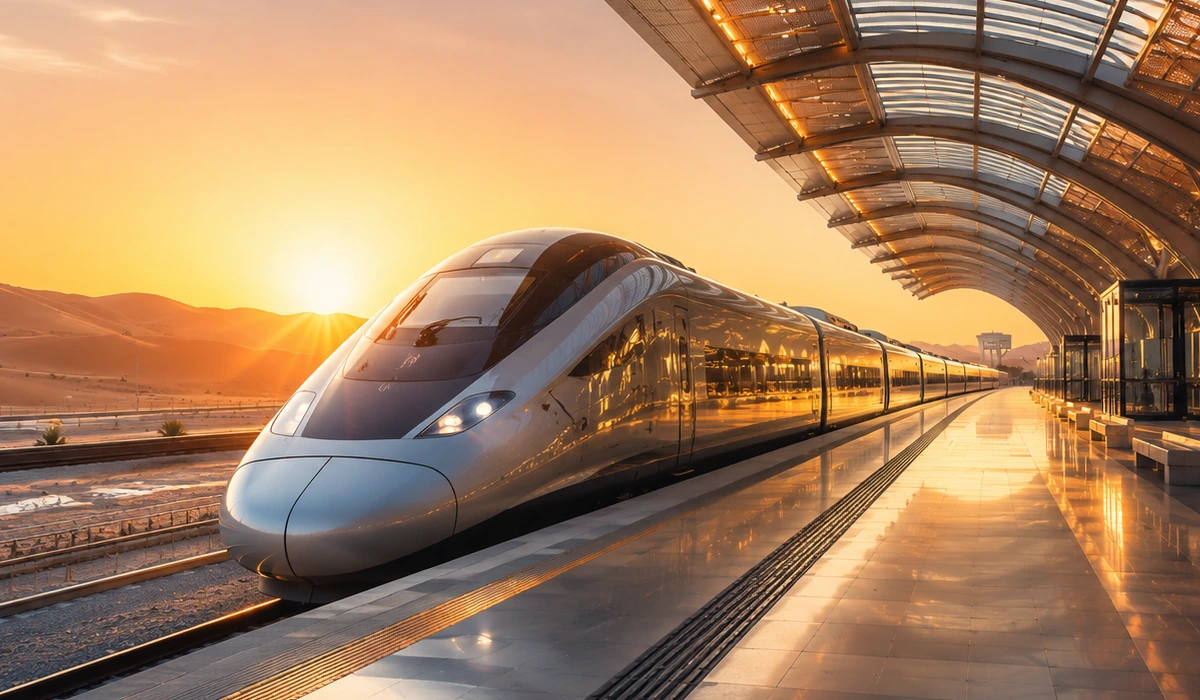
The airport isn’t just an infrastructure upgrade. With capacity for 123 flights a day, it will serve as the gateway to the Gelephu Mindfulness City (GMC), an ambitious special administrative region that King Jigme Khesar Namgyel Wangchuck hopes will house one million Bhutanese and foreign residents by 2060. A 69km rail link connecting Gelephu to Assam in India is also planned — which would give Bhutan its first-ever railway.
Earlier this year, the King himself joined 12,000 volunteers to clear jungle and palm trees from the construction site. The image of a monarch working alongside his people said something about how seriously Bhutan takes this project.
Why Has Bhutan Been So Hard to Visit?
Tucked deep in the Eastern Himalayas, Bhutan spent centuries as something close to a hermit nation. It only opened to tourists in 1974, and even then, access came with strict conditions. Until the pandemic, visitors had to book through a licensed Bhutanese tour operator and pay a Minimum Daily Package Rate of $200–$250 per person per day, covering accommodation, meals, a guide, and transport.
Since 2022, that system has been replaced by a $100 Sustainable Development Fee per adult per night. The all-inclusive bundle is gone — but the philosophy behind it isn’t. Bhutan remains committed to high-value, low-volume tourism.
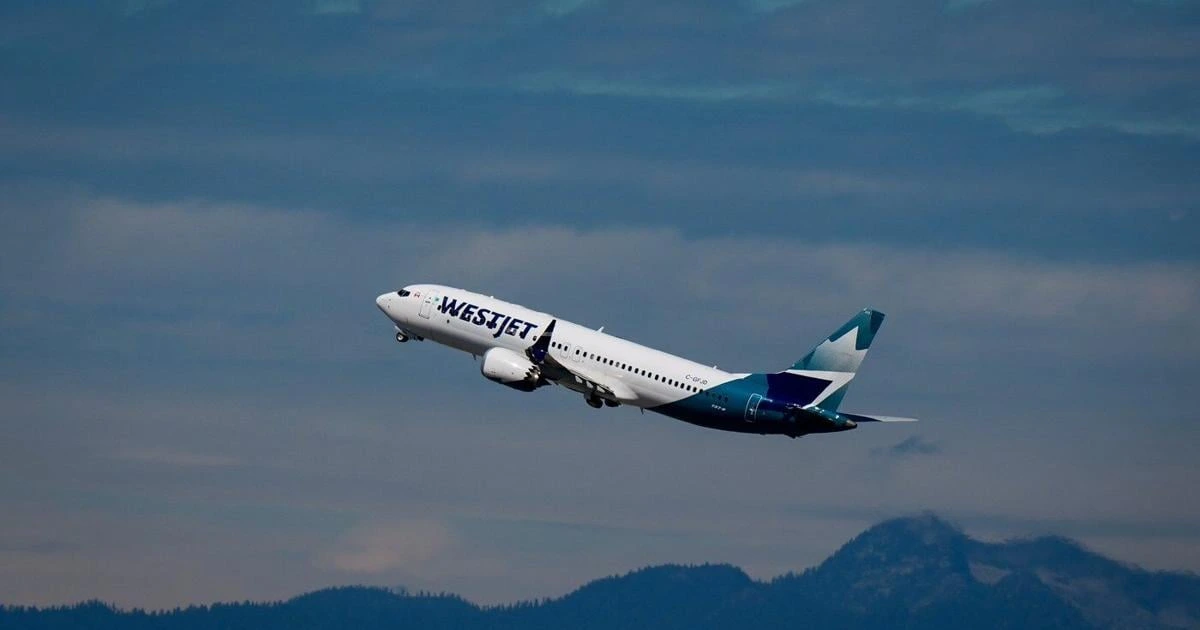
Getting there has always been part of the challenge. Paro, Bhutan’s only international airport until now, is served by just two airlines and handles around eight flights a day. Travellers from Europe or North America typically spend two or more days in transit, passing through Bangkok, Kathmandu or Delhi. Return flights from connecting hubs can cost upwards of $1,200.
Paro is also one of the most technically demanding airports on the planet. Sitting at 2,243 metres altitude, surrounded by mountains reaching 5,500 metres, its narrow valley approach requires pilots to navigate entirely by sight — no radar, no computer assistance. Fewer than 50 pilots in the world are certified to land there. Just 88,546 visitors arrived through Paro in all of 2025.
What Will the New Airport Actually Change?
Plenty. Most travellers who reach Bhutan today stick to the same well-worn western circuit — Thimphu, Punakha Valley, Phobjikha Valley, Bumthang — all of them anchored by luxury lodges and monasteries perched on cliffsides. The country’s wilder southern fringe rarely sees visitors.
Gelephu opens up an entirely different Bhutan. The south is subtropical and lush — cardamom groves, orange orchards, hot springs, rivers threading through farmland. Two national parks flank the area, including Royal Manas National Park, Bhutan’s oldest protected reserve, where elephants, tigers, rhinos, clouded leopards and golden langurs roam alongside more than 360 bird species. Half of the world’s remaining white-bellied herons — a critically endangered species — live here.
Travel experts describe southern Bhutan as one of the last genuinely wild places on Earth. According to one Thimphu-based luxury travel operator, the south is a hidden sanctuary that has become a haven for endangered species found almost nowhere else.
What Is Gelephu Mindfulness City?
GMC is unlike any development project on the planet. King Wangchuck conceived the idea more than a decade ago, but the pandemic — which shut Bhutan’s borders completely until September 2022 and devastated its tourism economy — accelerated the vision. The goal is to create a business-friendly international hub that doesn’t sacrifice the country’s spiritual identity.
Buddhist masters are being invited to submit proposals for retreat centres and temples within the city. Bhutan’s Central Monastic Body has proposed a traditional dzong — a monastic fortress — with guest rooms and spaces for sacred dance and study. At the same time, international companies are being courted with investment incentives.
Tourism officials see GMC as a new kind of stopover destination. Rather than transiting through Hong Kong or Bangkok, travellers may one day fly through Gelephu, spend a few days on a jungle safari or in meditation, and then continue their journey.
What New Experiences Will Visitors Find?
The tourist offering taking shape around Gelephu is deliberately different from what Bhutan already provides. Instead of high-altitude treks, visitors will find rafting on jungle rivers, birding expeditions, and a newly opened tiger trail inside Royal Manas National Park. Instead of five-star mountain lodges, there are homestays with local families and eco-camps in the forest. A high-end fly fishing lodge — Bhutan’s first — opened inside Manas in 2024.
The showpiece for hikers is the newly announced Lotus-Born Trail, a 168km route opening in 2028 that links Gelephu’s subtropical lowlands to Bhutan’s spiritual heartland. The eight-day trek climbs nearly 3,500 metres through rhododendron forests to alpine ridgelines, following the ancient path of Guru Rinpoche — the revered Buddhist master credited with bringing Buddhism to Bhutan.
Back in Gelephu town, a revitalisation of the Old Town is underway. Plans include a culinary quarter celebrating southern Bhutan’s diverse cultures — thali platters, dal, and fiery dishes like ema datshi, the beloved national stew of chillies and cheese. Mural-lined streets and a Heritage Village showcasing Bhutan’s 13 traditional arts and crafts, from basket weaving to thangka painting, are also in the works.
Why Did Southern Bhutan Stay Wild for So Long?
The south’s untamed character is no accident. For centuries, malaria, monsoons, wild elephants and tigers made large-scale settlement difficult even for Bhutanese. When British forces attempted to control the region in the 1860s, they were repelled after a five-month conflict — the Duar War — that ended their ambitions entirely. The jungle reclaimed the land and held it.
That wildness is now Gelephu’s greatest asset. As one tourism official put it: there aren’t many raw jungles left in the world. The kind of untamed wilderness where tigers still roam freely is something Bhutan considers its greatest treasure — and the country intends to share it carefully.
When Will All of This Be Ready?
Construction on both the airport and GMC is actively underway. The Lotus-Born Trail is expected to open in 2028, with the airport following in 2029. The full vision for Gelephu Mindfulness City is a decades-long project, with the 2060 population target reflecting just how far-reaching the ambition truly is.
For travellers, the window to experience Bhutan’s south before it changes is still open — but it won’t stay that way for long.
📩 Stay informed. Subscribe to the JournalTodays Newsletter for the latest travel, culture, and lifestyle stories delivered straight to your inbox.