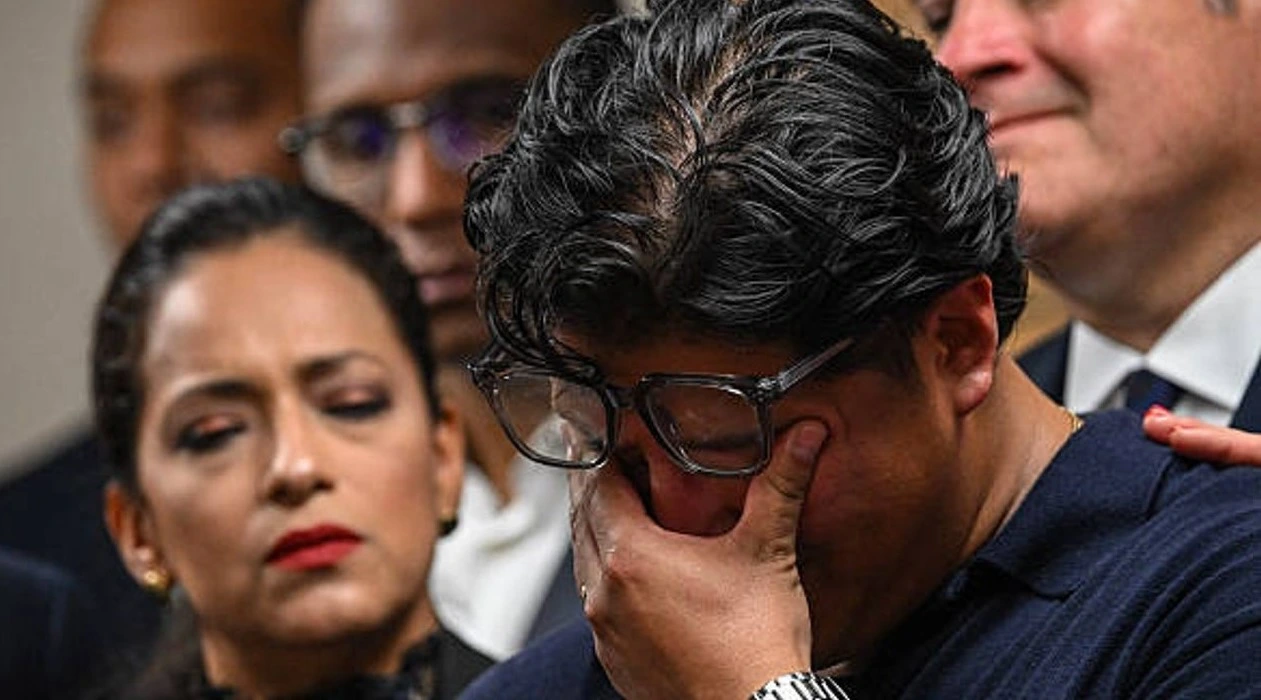

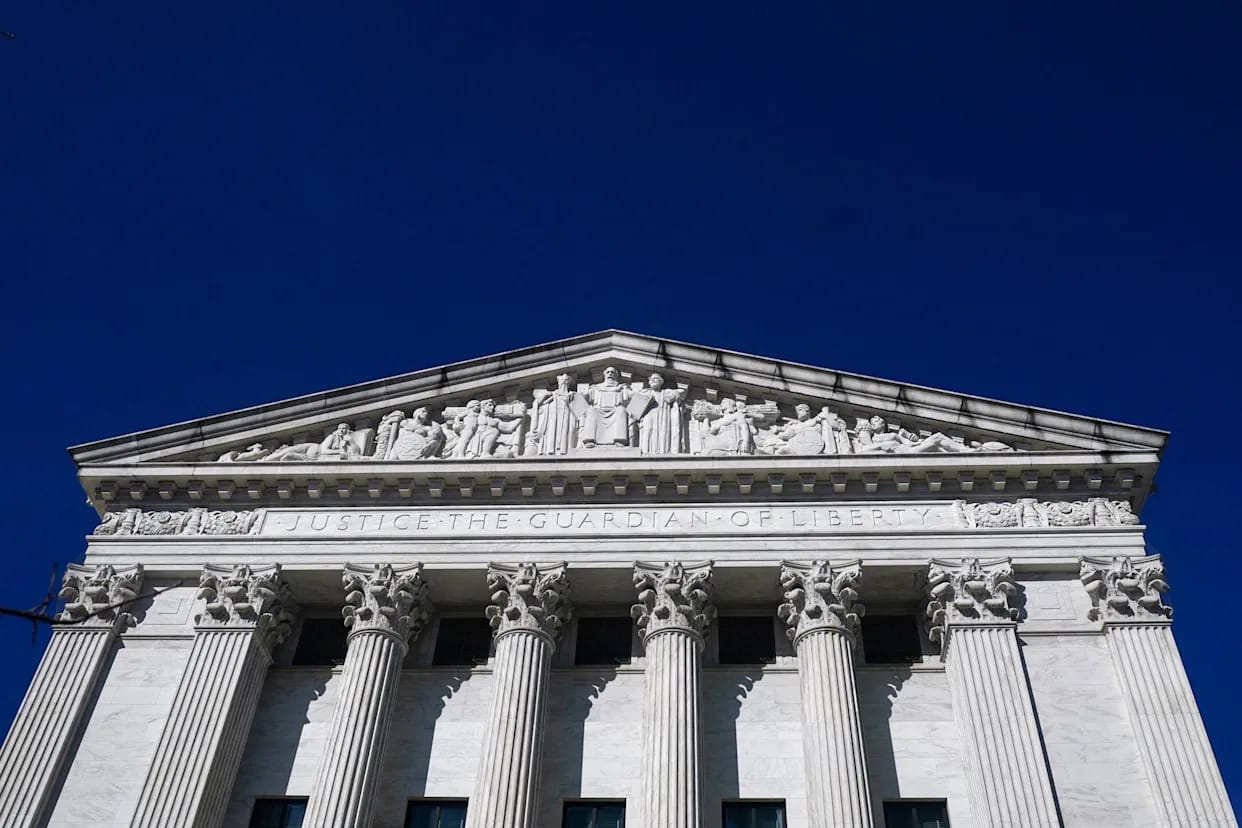
The Supreme Court has struck down Louisiana’s redrawn congressional map and, in doing so, dramatically narrowed one of the most powerful tools available to protect minority voters. The 6-3 ruling lands with the 2026 midterm elections fast approaching — and the consequences could reshape Congress.
What Did the Supreme Court Actually Decide?
The court ruled that Louisiana’s newly redrawn congressional map relied too heavily on race in its construction. The map had created a second majority-Black congressional district in the state. Six conservative justices agreed it crossed a constitutional line.
More significantly, the ruling tightens the interpretation of Section 2 of the Voting Rights Act — the provision most widely used to challenge racially discriminatory election practices. Writing for the majority, Justice Samuel Alito said Section 2 applies only to cases of intentional discrimination, setting an extremely high bar for future challenges.
Chief Justice John Roberts described Louisiana’s district as a “snake that stretches more than 200 miles,” linking parts of Shreveport, Alexandria, Lafayette and Baton Rouge. Alito called it an “unconstitutional gerrymander” and said allowing race to drive government decisions represents a departure from the constitutional norm.
How Did the Liberal Justices Respond?
The three liberal justices dissented sharply. Justice Elena Kagan warned the ruling renders Section 2 “all but a dead letter.” She argued states can now, without legal consequence, systematically dilute the voting power of minority citizens.
The court’s conservative majority insisted the opinion was a limited ruling that still preserves the Voting Rights Act. The liberal wing rejected that framing entirely, arguing the court is quietly dismantling a landmark civil rights law piece by piece.
Why Does Section 2 Matter So Much?
Passed in 1965 as a cornerstone of the Civil Rights Movement, the Voting Rights Act gave Black Americans meaningful access to the ballot box after decades of systematic exclusion. Section 2 became the legal mechanism for challenging maps and election rules designed to dilute minority voting power.
According to one election law expert cited by reports, roughly 70 of the country’s 435 congressional districts currently rely on Section 2 protections. Wednesday’s ruling puts many of those districts in a legally vulnerable position.
What Does This Mean for the 2026 Midterms?
The timing is significant. With midterm elections approaching, states including Louisiana will likely need to go back to the drawing board on their congressional maps — and fast. Redistricting battles are already heating up across the country.
In Florida, legislators are currently debating a proposed map submitted by Republican Governor Ron DeSantis. That map could hand Republicans up to four additional House seats. According to voting rights groups, a broad gutting of Section 2 protections could allow Republicans nationwide to redraw enough districts to flip as many as 19 House seats in their favour.
Legislatures have had freedom to draw partisan districts since a separate Supreme Court ruling in 2019, which held that federal courts cannot intervene in partisan gerrymandering. Wednesday’s decision extends that Republican advantage further into the racial redistricting arena.
How Does This Ruling Conflict With Previous Decisions?
The decision sits uneasily alongside a ruling from less than three years ago in a similar Alabama case. In that instance, the court upheld a new map that sent two Black Democrats to Congress. Chief Justice Roberts and Justice Brett Kavanaugh sided with the three liberal justices in that majority. This time, both switched sides and joined Alito.
That reversal has drawn scrutiny from legal observers. Alabama has a separate pending appeal at the Supreme Court, which now takes on added significance given the shift in the court’s position.
What Happens Next?
States with majority-minority districts now face fresh legal uncertainty. Louisiana must redraw its map again, but the new legal standard gives legislators far less room to factor race into the process — even when doing so was previously required to comply with the Voting Rights Act.
Civil rights organisations are expected to challenge the ruling’s application in courts across multiple states. For now, the decision stands as the most significant restriction on minority voting protections in years — arriving at the worst possible moment for those who relied on Section 2 as a legal shield.
📩 Stay informed. Subscribe to the JournalTodays Newsletter for breaking political and legal news delivered straight to your inbox.