
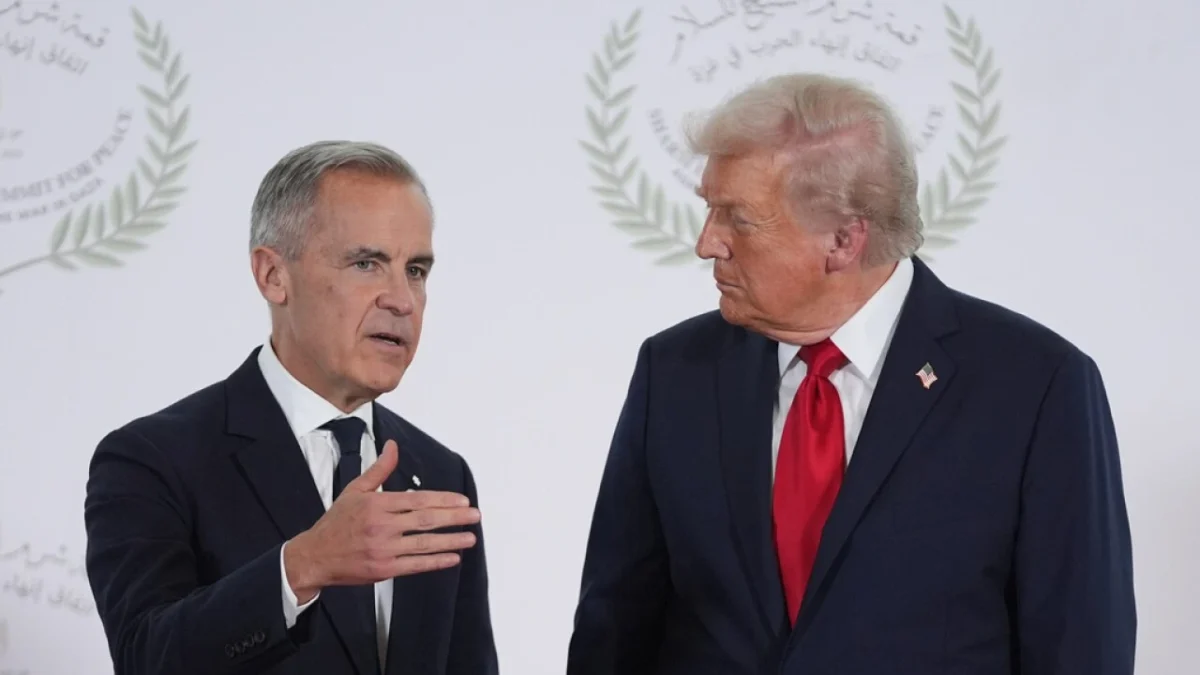
Trade negotiations between the United States and Canada broke down late Friday night, triggering 50% tariffs on approximately $20 billion worth of Canadian imports at the stroke of midnight. The abrupt collapse came after nearly two weeks of negotiations that as recently as Thursday had both sides describing themselves as “very close” to a deal. Canadian Prime Minister Mark Carney suspended the talks, recalled Canada’s negotiators to Ottawa, and announced immediate retaliatory tariffs on American goods — dollar for dollar.
“In recent days, the United States proposed new terms that were uneconomic, unfair, and undermined the net benefits for Canada,” Carney told reporters Saturday morning. “They asked too much, and they offered too little.” He called the tariffs “a miscalculation” on the part of the United States.
The new tariffs were imposed under Section 338 of the Tariff Act of 1930 — a law that has never been deployed before — which allows the White House to implement duties of up to 50% on any foreign trade partner deemed to be “discriminating” against US commerce. The levies will hit a range of Canadian exports including hockey sticks, building materials, liquor, and certain clothing categories. Legal challenges are widely expected.
What Broke the Deal at the Last Minute
The collapse was dramatic given how close both sides appeared to be. On Tuesday, Trump had paused the tariffs for three days, writing on social media that the two sides had “a DEAL.” As late as Thursday evening, Canada’s minister responsible for US trade relations was leaving the US Trade Representative’s office telling reporters the two sides were making progress and would “stay here and do the work.”
Carney on Saturday identified the specific last-minute changes that made an agreement impossible. American negotiators sought to limit tariff relief to passenger vehicles only — excluding medium and heavy-duty trucks, which Carney called “a big change.” The US also introduced language in the final hours that would restrict Canada’s ability to enter into trade and security agreements with other countries. American negotiators also sought what Carney described as restrictions on Canada’s ability to protect “our language, our culture, and in effect, our sovereignty,” without providing details.
“It was also a cumulative aspect about the willingness in total to enter into a true economic partnership,” Carney added.
US Trade Representative Jamieson Greer told Fox News on Saturday morning that Canada had “declined to finalize the trade deal under the terms agreed earlier this week” and that Canada’s own last-minute demands and walk-backs had “upended the careful balance reached in the past days.” Greer specifically cited Canada’s continued retaliatory measures against US goods — including provincial bans on the sale of American alcohol, introduced in 2025 — as a sticking point. “We don’t have new talks planned with the Canadians. We’ve said enough,” he said, adding that the US would “respond to Canadian retaliation.”
Canada’s Retaliation and Provincial Politics
Carney announced that Canada would match the US tariffs dollar for dollar, with retaliatory duties concentrated in steel, dairy, appliances, agricultural equipment, pulp and paper, and electronics. The prime minister had also been pushing Canada’s provincial premiers to lift their bans on American alcohol sales as part of the negotiating effort — a request that met resistance, particularly from Quebec Premier Christine Fréchette, who said she was still “analyzing” it as late as Thursday.
Following Carney’s Friday announcement, provincial reaction was largely supportive. Ontario Premier Doug Ford, who leads the country’s most populous province, wrote that Carney had his “full support for a strong response — tariff for tariff, dollar for dollar.” British Columbia Premier David Eby said Canada would keep fighting. Alberta Premier Danielle Smith was the outlier, warning that “no one benefits from a trade war” and urging the federal government to restart negotiations as soon as possible.
The Economic Stakes
The US Chamber of Commerce had warned this week that higher tariffs would damage both economies, drive up costs for American families, disrupt critical supply chains, and risk the 13 million American jobs that depend on the North American trade relationship. The Canadian Chamber of Commerce, responding to Friday’s breakdown, called it “a body blow to North American competitiveness.” Its president and CEO, Candace Laing, said: “Americans will see their costs go up, and Canadians will see customers, investment and small businesses disappear.”
Greer had previously described the 50% Section 338 tariffs as payback for Canada’s decision to retaliate against prior rounds of Trump’s trade measures. “I’ve got two countries in the world that have retaliated against the United States for trade measures: the People’s Republic of China and Canada. That’s not the kind of company you really want to be running in,” he said last week. Trump’s trade confrontation with China — which briefly saw tariffs in the triple digits — was ultimately defused through months of Treasury-level negotiations. Whether a similar de-escalation path exists with Canada is now an open question.
Carney ended his Saturday press conference with a pointed statement of intent. “We have recognised from the beginning that America has changed, and that we will not return to our old relationship. Canada has what the world wants. And we will not allow any nation to determine our future.”
Stay informed. Subscribe to the JournalTodays Newsletter for the latest Canada-US trade news, tariff coverage, and business updates delivered straight to your inbox.