
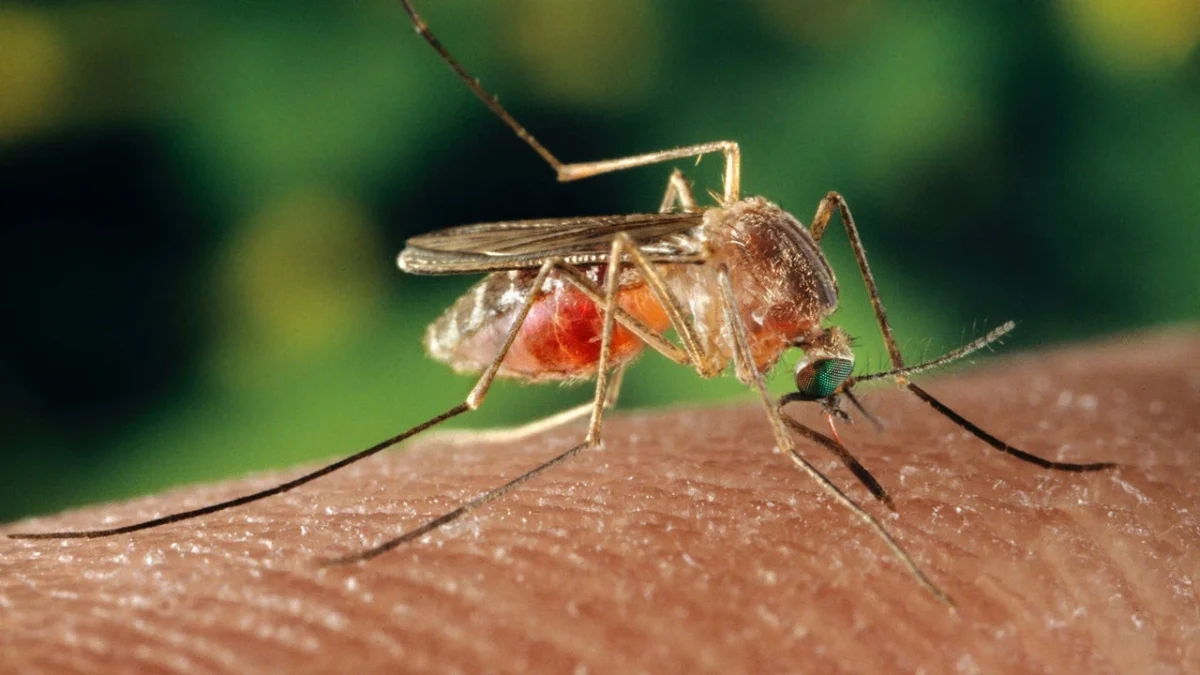
New York City has confirmed its first human case of West Nile virus for 2026, the city’s Health Department announced Wednesday. The infected person lives in Manhattan and had spent time outdoors both within the five boroughs and at locations outside the city. Health officials have not confirmed whether the infection occurred in New York or elsewhere.
The case arrives during what has been a notably active West Nile season. A total of 1,284 mosquito pools across the city have tested positive for the virus so far this year — nearly double the 612 recorded at the same point in 2025, when 326 pools had tested positive. Queens has the most positive pools at 504, followed by Staten Island with 354, Brooklyn with 252, the Bronx with 123, and Manhattan with 51.
“West Nile virus is spread by mosquito bites and cannot spread from person to person. The good news is it’s preventable,” said Health Commissioner Dr. Alister F. Martin. “With mosquito season in full swing, we’re encouraging New Yorkers to take extra precautions to minimize the risk of mosquito bites.”
What West Nile Virus Actually Does
Most people infected with West Nile virus experience no symptoms at all. Some develop mild illness including fever, headache, muscle aches, rash, and fatigue. The serious concern is West Nile neuroinvasive disease — a rare but potentially fatal condition affecting the brain and spinal cord that can cause changes in mental status, muscle weakness, and require hospitalisation. Approximately one in 150 infected people develops this form of the illness. People aged 60 and older and those with weakened immune systems are at significantly greater risk of severe outcomes.
The Health Department’s surveillance data lists one case of West Nile neuroinvasive disease — the more serious form — recorded in Manhattan this year. The department has not provided the person’s age, condition, or hospitalisation status.
Nationally, 222 human cases have been reported in 2026 so far, according to CDC data, including 76 in Arizona, 31 in Texas, and 29 in California. Mosquitoes carrying West Nile virus are present in New York City each year from June through October, with activity typically peaking in August and September. Late August is generally the peak period, according to the CDC.
What the City Is Doing
Since July, the Health Department has conducted eight targeted mosquito-control operations in neighbourhoods where West Nile-positive pools were detected, including recent treatments in Queens, Staten Island, and Brooklyn. The department says these operations typically reduce adult mosquito populations by 70% and West Nile-positive pools by more than 85%.
Ongoing control efforts include dropping larvicide by helicopter over non-residential sites such as marshes and wetlands, and truck-based spraying for adult mosquitoes in selected neighbourhoods. Residents are given at least one day’s advance notice of spraying operations. Additional traps are being deployed and surveillance is being intensified in high-activity areas.
How to Protect Yourself
The Health Department recommends using an EPA-registered insect repellent, wearing long sleeves and trousers when outdoors in areas with mosquito activity, limiting time outside during dawn and dusk when mosquitoes are most active, and eliminating any standing water around your home — flower pots, buckets, and clogged gutters are common breeding sites.
If you develop symptoms consistent with West Nile virus — particularly fever, severe headache, muscle weakness, or confusion — contact a healthcare provider promptly. Those aged 60 and older or with compromised immune systems should be especially vigilant during peak mosquito season.
Stay informed. Subscribe to the JournalTodays Newsletter for the latest public health news, New York City updates, and health coverage delivered straight to your inbox.