
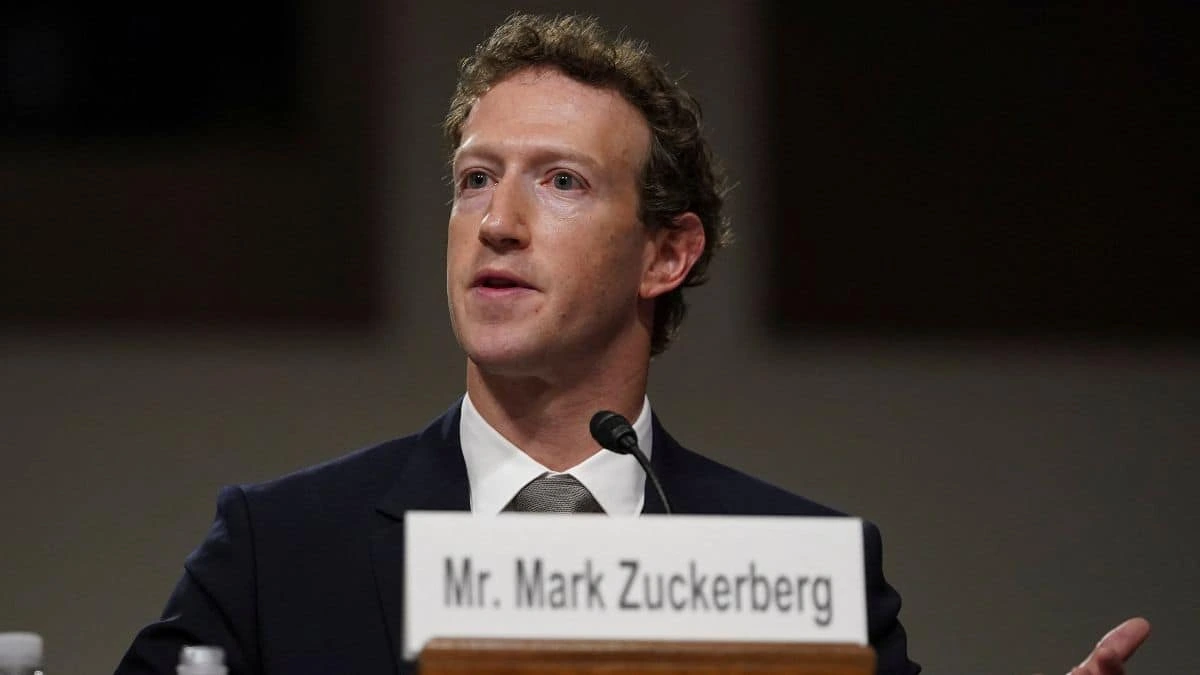
The most consequential legal battle in Meta’s history began Tuesday in Oakland, California. Opening arguments started in a trial brought by a coalition of 29 state attorneys general alleging that Facebook and Instagram were designed to foster addictive behaviour in children and teenagers — a case that legal experts warn could produce consequences far more significant than anything Meta has faced before.
The trial is being argued by lawyers representing California, Colorado, New Jersey, and Kentucky. California Attorney General Rob Bonta, who is co-leading the case, said Meta “designed a dangerous product for young users, knew it to be dangerous, and then lied to children, families, and the community about how dangerous it was.” Meta responded that the AGs’ “limited claims are unsubstantiated and their financial demands are vastly disproportionate.”
The stakes are extraordinary. Meta’s own attorneys have previously placed potential damages as high as $1.4 trillion. Lawyers representing the states told presiding Judge Yvonne Gonzalez Rogers last week that $200 billion is a more likely figure. New Mexico Attorney General Raúl Torrez, fresh from winning a near-$1 billion ruling against Meta earlier this month, the consequences could be “astronomical” — and that Wall Street is not pricing the risk correctly.
“You could wake up with a headline judgment that is, as I’ve said, astronomical,” Torrez said.
Why California Is Different From Every Other Case
Meta lost a significant case in New Mexico earlier this month — a judge ordered the company to pay $567 million into an abatement fund on top of a $375 million jury verdict, for a total of nearly $942 million. That ruling included requirements to improve age verification, alter how minors are recommended to adults, and limit push notifications for users under 18.
But California operates at a fundamentally different scale. “California matters more than any other jurisdiction in the U.S.,” said Julia Powles, executive director of the UCLA Institute for Technology, Law and Policy. “It’s where they are subject to the greatest legal reach, and it’s a jurisdiction watched around the world.”
Torrez put it in population terms. New Mexico has roughly 2 million people. Applying comparable legal logic to California, Texas, Florida, or New York produces numbers that are genuinely market-shifting. Meta’s stock is already down 11% this year — though most of that pressure has come from concerns about its $145 billion AI capital expenditure rather than legal exposure. Torrez argues analysts are looking at the New Mexico case in isolation and missing what a California defeat could mean for the company’s ability to finance its AI ambitions going forward.
ALSO READ: Meta Fined $567 Million in Largest Child Safety Ruling — Declared a ‘Public Nuisance’ Like Pollution
What the States Are Asking the Court to Do
The potential consequences extend well beyond money. If Meta is found to have violated the federal Children’s Online Privacy Protection Act, the state coalition is seeking deletion of all personal data for users under 13 and destruction of the algorithms and models trained on that data. That would be a structural intervention without precedent in US tech regulation.
For violations of state consumer protection laws, attorneys representing the states are asking the court to force removal of specific addictive design features: infinite scroll, autoplay, ephemeral content, beauty filters, and engagement-optimising algorithms. Those design changes, if ordered, would apply on a nationwide rather than state-by-state basis.
Some of those demands have already been narrowed. The New Mexico court found that certain changes — particularly to recommendation algorithms — risked conflicting with Section 230 of the Communications Decency Act and First Amendment protections, and that imposing them on Meta while rivals like TikTok and YouTube retained the same features would be unfair. Torrez said he plans to pursue legislative remedies for what courts cannot order.
The cases centre on design features and alleged misrepresentations about safety — an approach that allows states to bypass Section 230, which has historically shielded platforms from liability for user-generated content. Meta and Google lost a case in Los Angeles in March when a jury found both companies were negligent and failed to warn users of the dangers of their platforms. That ruling established important precedent heading into the California trial.
Industry observers have begun comparing the case to the tobacco litigation of the 1990s, when US companies were forced to pay billions for misleading the public about their products’ dangers and saw their influence significantly diminished. Meta, which generates 98% of its revenue from advertising, would have its core business model directly threatened by a ruling that forced fundamental algorithmic changes or imposed damages large enough to constrain its AI investment capacity.
The trial is expected to run for weeks. Its outcome could define the regulatory era for social media in the United States.
Stay informed. Subscribe to the JournalTodays Newsletter for the latest Meta news, technology law coverage, and business updates delivered straight to your inbox.