
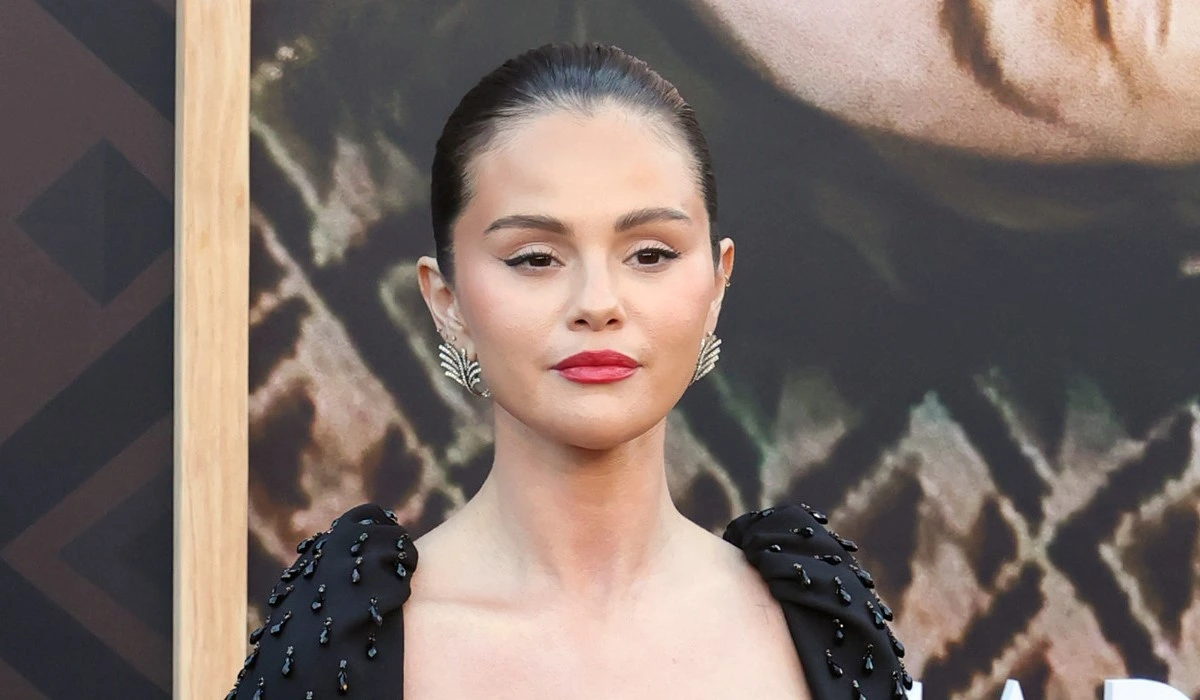
A federal lawsuit accusing Selena Gomez, her mother Mandy Teefey, and entrepreneur Daniella Pierson of fraud in connection with the mental health startup Wondermind has become one of the more unusual Hollywood legal disputes in recent memory — putting celebrity entrepreneurship, investor expectations, and a company’s public image against the messy internal reality that followed.
Two investor entities — Wondermind SRS 44 LLC and Bespoke Wondermind LLC — have filed suit in federal court, alleging they were materially misled about Wondermind’s leadership, resources, and business partnerships when they invested nearly $1.2 million in the company. The defendants deny all wrongdoing. Gomez’s attorney, Mathew S. Rosengart, said the allegations against his client are “completely meritless, both factually and legally” and confirmed he is filing a motion to dismiss the claims. “We will vigorously defend these false allegations,” he said.
Pierson, who left Wondermind in 2023, said she “categorically denies the allegations” and welcomed the opportunity to present documentation and financial records supporting her position. Teefey had not made a public statement when the lawsuit was first disclosed.
A source close to Gomez separately told reporters that the singer and actress had invested millions of her own money in Wondermind over the years, including additional funds after learning of a recent financial setback, and that Gomez was an investor rather than someone involved in day-to-day operations — a characterisation that stands in sharp contrast to the plaintiffs’ claim that she had a contractual obligation to build the company as its head of marketing and failed to fulfil it.
What the Lawsuit Alleges
The complaint’s core claims centre on what investors say they were told versus what actually existed. According to the filing, investors received false representations about Wondermind’s infrastructure and leadership. Partnerships with Fidelity and JPMorgan — through which Wondermind was allegedly going to provide mental health services to employees — never existed. A promised app, celebrity profiles, and advertising arrangements that had been described to investors also never materialised.
The plaintiffs further allege that the company’s founders, officers, and directors stayed silent as the company quietly collapsed, even while investor money continued to fund operations. The complaint describes Gomez’s alleged failure to fulfil her marketing responsibilities as “an abject dereliction of her duties to the company.”
ALSO READ: The Tupac Shakur Murder Trial Finally Begins — Here’s What to Know About the Case Against Keffe D
How Wondermind’s Financial Situation Deteriorated
Wondermind was announced in late 2021 as a “mental fitness” platform aimed at making mental health conversations less clinical and more integrated into everyday life. Its content — newsletters, articles, podcasts, social media, and mood-tracking tools — was supported by an advisory group of mental health professionals.
In 2022, the company raised $5 million in a round led by Serena Ventures at a $100 million valuation, drawing significant media coverage. It was pre-revenue at the time. By 2025, the picture inside Wondermind had changed dramatically. The company missed payroll, discontinued employee health benefits, and cut its workforce from 13 people to four. Teefey reportedly took out a personal loan against her home to help cover company debts. A Wondermind spokesperson said afterward that the company had “rectified” its financial obligations and was entering a new chapter. According to the lawsuit, those disclosures prompted the investors to investigate more closely — and file suit.
What a $100 Million Valuation Does and Does Not Mean
One aspect of this story that generates easy misunderstanding is Wondermind’s 2022 valuation. A $100 million valuation does not mean a company had $100 million in the bank. It reflects what investors agreed to pay for a stake, extrapolated into an implied total company value — in effect, a negotiated bet on what the business might eventually be worth. Wondermind raised $5 million. The $100 million figure was an investor expectation about the company’s future potential, set at a moment when mental health startups were attracting billions in capital globally.
A startup can carry an impressive valuation and still develop serious cash-flow problems if revenue falls short or further investment does not arrive. That dynamic does not prove or disprove any allegation in this lawsuit, but it does explain how a company celebrated as a nine-figure business could later struggle to make payroll.
What the Case Is Actually About
The lawsuit is not challenging Wondermind’s wellness content or questioning whether its newsletters, podcasts, and mental health tools were beneficial to users. The legal dispute is about the business behind that content — specifically whether investors received an accurate picture of Wondermind’s leadership structure, resources, and partnerships before committing their money.
That distinction is significant. It keeps the case from becoming a verdict on Wondermind’s mission or on mental health entrepreneurship more broadly. What a federal court will now have to determine is whether investors simply backed a startup that struggled, which is common, or whether they were materially misled about the company they funded — which is not.
The case exposes a dimension of celebrity-backed startups that usually stays private: the gap between a company’s polished public identity and its internal operations. Wondermind had a globally famous co-founder, a culturally resonant mission, prominent early investors, and headlines that made it look like a significant company before it had earned a dollar. The lawsuit suggests the gap between that image and the underlying reality was wider than investors knew.
Stay informed. Subscribe to the JournalTodays Newsletter for the latest celebrity business news, legal coverage, and entertainment updates delivered straight to your inbox.