
When world leaders last gathered in Évian-les-Bains in 2003, the United States had just invaded Iraq over the objections of France and Germany. It was tense, but the framework held. The Group of 7 remained, at least in form, a collection of like-minded nations working toward shared goals. Twenty-three years later, the leaders are back in the same French Alpine town, and the framework itself is what is under strain.
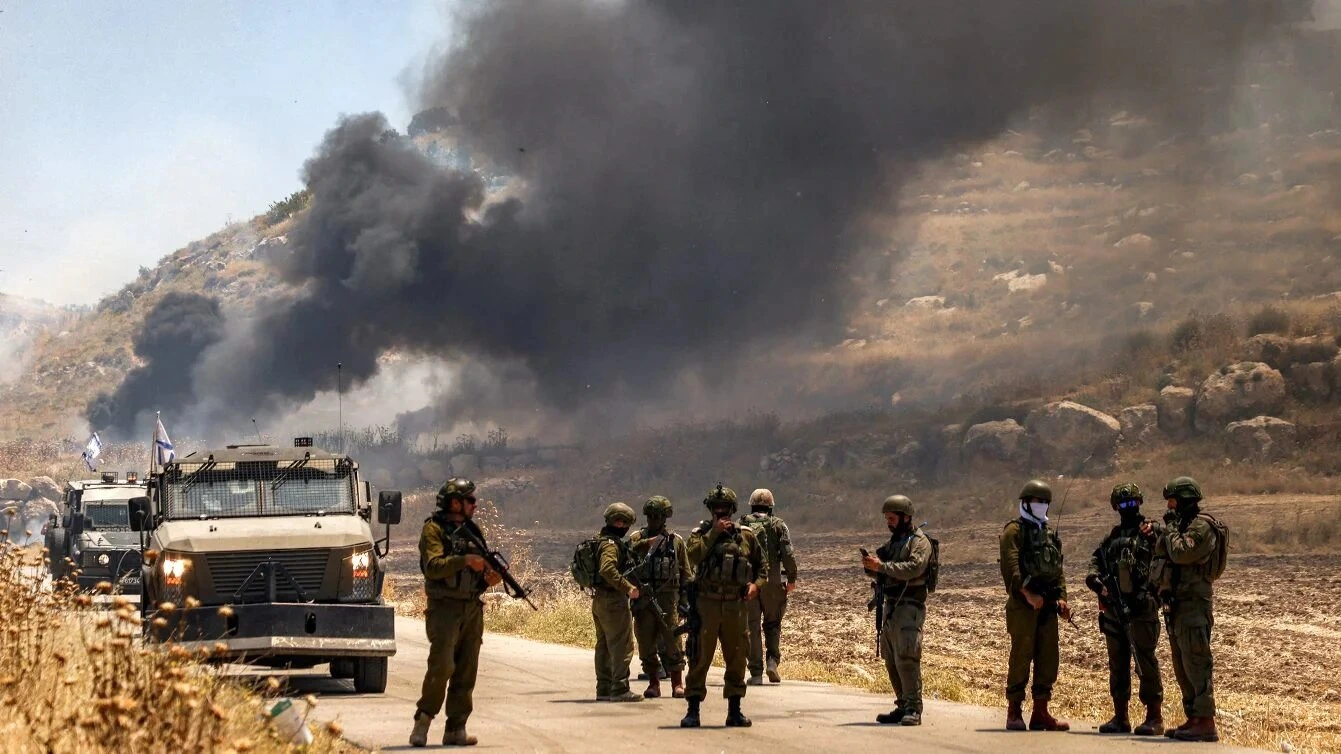
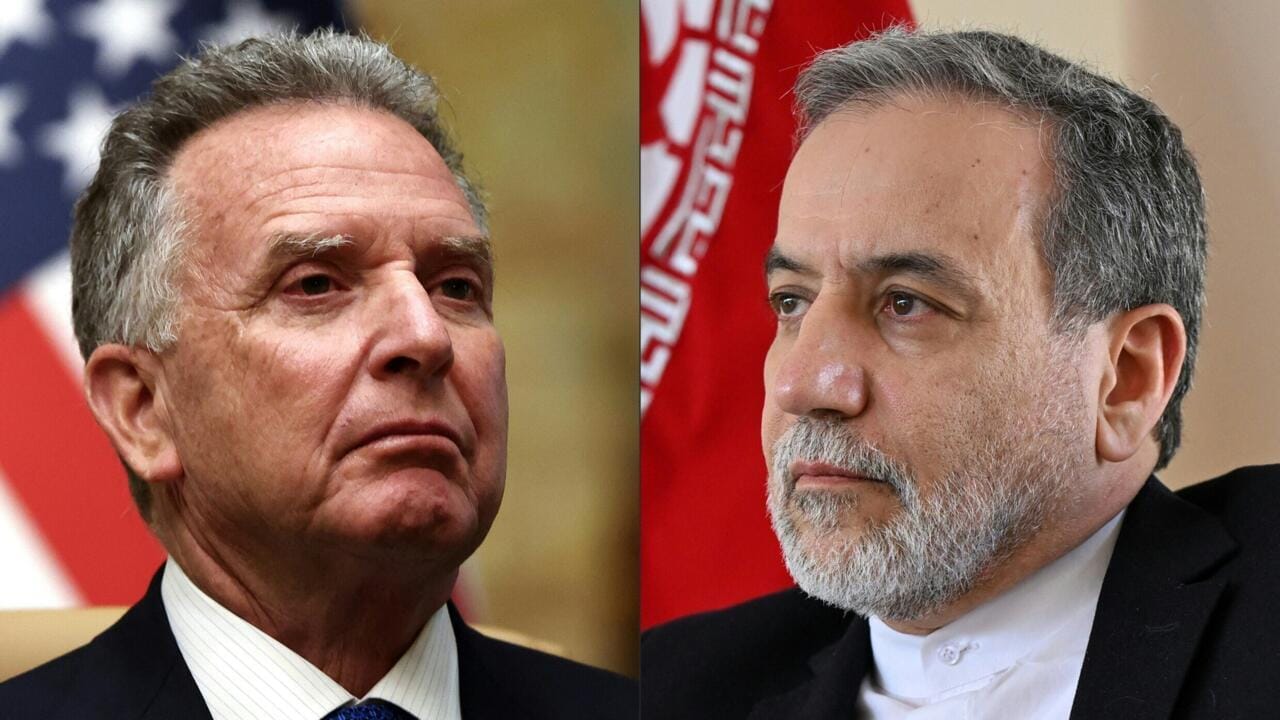
President Trump arrives in Évian on Monday afternoon to be greeted by European leaders who no longer describe the United States as a straightforward partner. In some cases, they describe it as a source of instability. The Iran war — launched without consulting European allies — has disrupted global energy markets through the closure of the Strait of Hormuz, driving inflation across every major economy. Trump’s deepening contempt for NATO and repeated threats to take over Greenland have accelerated a reassessment that was already underway. The meeting was intended to signal Western unity. The main question going into it is whether a significant blowup can be avoided.
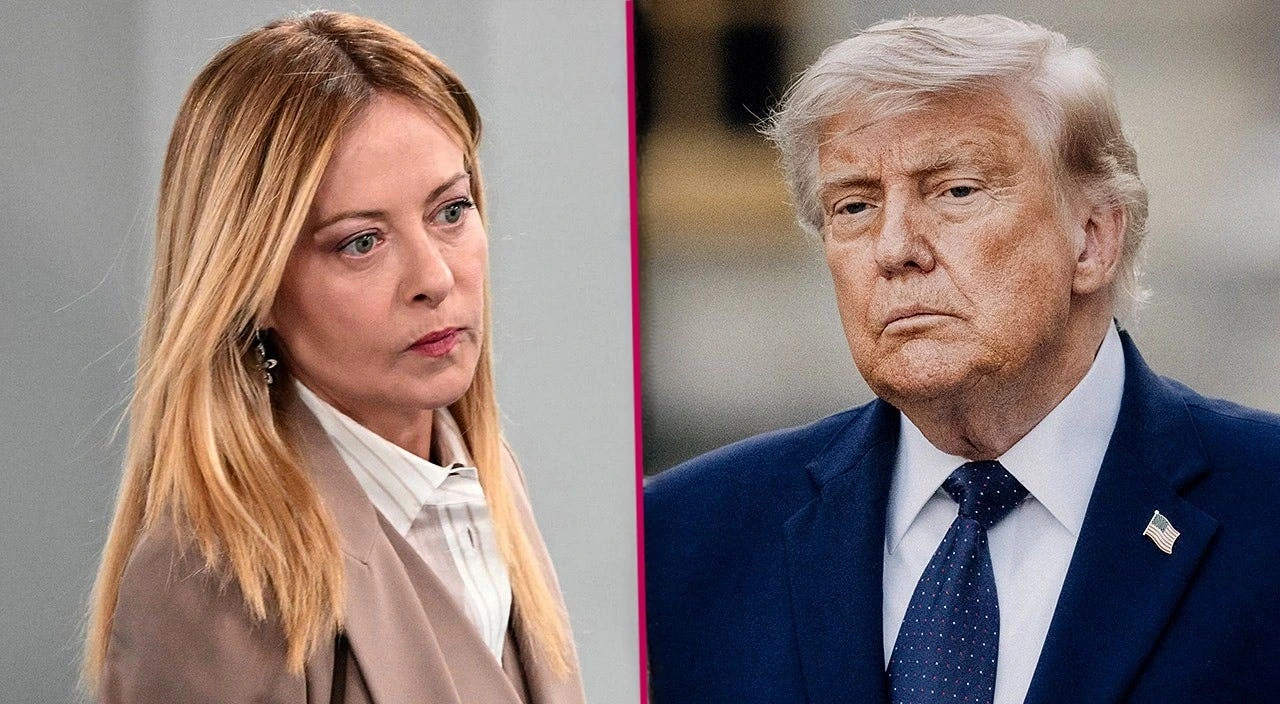
France’s goals as host are deliberately modest. Emmanuel Macron‘s biggest challenge is personal — keeping Trump in the room long enough to have any meaningful exchanges at all. Trump cut short his attendance at Group of 7 meetings in Canada in both 2018 and 2025. Macron has pushed back the summit’s start time to accommodate Trump’s schedule, allowing him to attend cage fights at the White House on Sunday night — his 80th birthday. As an incentive to stay through the end, Macron has arranged a dinner at Versailles on Wednesday to celebrate the 250th anniversary of American independence, enshrined in a treaty signed at that palace in 1783.
What Has Changed — and Why It Matters More This Time
The split over Iraq in 2003 was damaging, but it did not challenge the foundations of NATO or the multilateral institutions the Group of 7 was built to represent. International relations experts draw a sharp distinction between that moment and this one. The consensus that underpinned the post-war global order — on security commitments, on trade frameworks, on climate obligations — has eroded to the point where the G7 cannot be assumed to share a basic set of premises going into the meeting.
Ukraine is the sharpest example. Trump has shown little interest in returning to a peace negotiation that was progressing last year. European leaders remain deeply invested in the outcome, but cannot pull Trump back toward an engagement he has walked away from. On Iran — the issue consuming the most of Trump’s attention — G7 members have refused to join the war effort, drawing bitter responses from Washington. The tension has made even traditional US allies reluctant to appear supportive in public.
Britain is the most telling case. London has refused to allow American warplanes to use British air bases for offensive operations in Iran, though it permits departure for what it describes as defensive missions. Prime Minister Keir Starmer had until recently emphasised the importance of staying aligned with Washington on security issues. That emphasis is shifting. The anger directed at British domestic politics by US officials, including Vice President Vance’s comments about a recent student stabbing and migration policy, has made alignment harder to sustain politically. As one analyst put it: “Trump is practicing foreign politics, not foreign policy. On a political level, it is very clear that the United Kingdom has an America problem.”
Germany and Japan face different calculations, each sitting closer to threatening neighbours — Russia and China respectively — than other G7 members. That proximity makes both countries more cautious about publicly breaking with Washington, even as the private frustration grows. Canada’s Prime Minister Mark Carney, by contrast, has spoken more freely about the need for a new relationship with the United States, a position that history and geography allow. France has historically maintained a more independent posture toward Washington than Britain has, and Macron has been calling for European strategic autonomy since Trump’s first term.
Macron has scheduled topical lunches and dinners for the leaders and invited guests including Ukraine’s President Volodymyr Zelensky and Egypt’s President Abdel Fattah el-Sisi. The French want to address economic imbalances between China and the West — a topic Trump, freshly returned from Beijing, would be well-placed to lead. But European officials say they remain uncertain what to make of Trump’s China policy following that visit, which produced few concrete outcomes and significant market volatility.
The summit’s most honest assessment may be the simplest one. European leaders want to sit across the table from the United States and work through the issues that are reshaping the global order. What they are not confident of is whether that conversation is actually available to them.
Stay informed. Subscribe to the JournalTodays Newsletter for the latest geopolitical news, G7 coverage, and global affairs delivered straight to your inbox.