

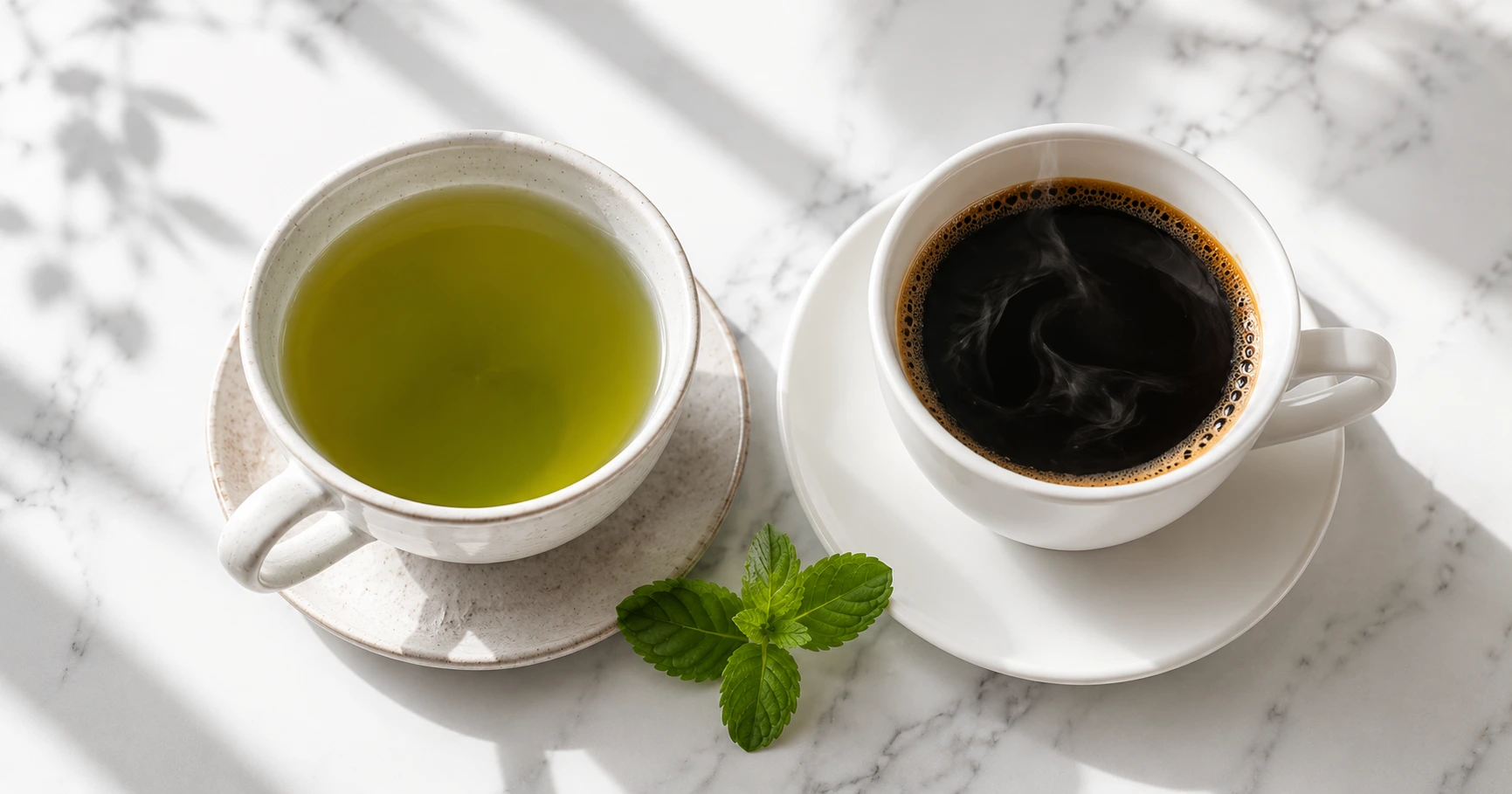
The choice between tea and coffee might feel like a small daily habit. For women over 65, a new study suggests it could quietly be shaping their bone health in ways that add up over years. The findings make for compelling reading — especially for the one in three older women who will be diagnosed with osteoporosis in their lifetime.
Osteoporosis develops when the body fails to replace old bone tissue as it breaks down. Bones become brittle and weak, fractures happen more easily, and recovery takes longer. Women face a particularly elevated risk after menopause, when falling oestrogen levels — a hormone that supports bone metabolism — remove a key layer of natural protection.
Researchers from Flinders University in Australia analysed the tea and coffee habits of roughly 9,700 American women aged over 65, tracking their behaviour across four surveys conducted over approximately a decade. The study measured bone mineral density in the hip using dual-energy X-ray absorptiometry — one of the most reliable tools available for assessing bone strength.
The results were clear on tea. Women who regularly drank tea showed slightly but significantly higher hip bone mineral density than those who did not. The likely explanation lies in compounds found in tea called catechins, which research suggests support the cells responsible for building bone. The effect was particularly noticeable in women with obesity — a group that often faces compounding health challenges as they age.
When Coffee Becomes a Problem
Coffee told a more complicated story. Moderate consumption appeared broadly neutral, but women drinking more than five cups a day were more likely to show lower bone mineral density — consistent with existing research suggesting that high caffeine intake interferes with calcium absorption, the mineral the body relies on to maintain bone density.
The picture darkened further when alcohol entered the equation. Women who drank higher amounts of alcohol throughout their lives and also consumed coffee showed reduced bone density in the femur, suggesting the two substances may amplify each other’s negative effects on bone health.
ALSO READ: 5 Nutrients Your Body Needs More of After 60
The research team was careful to temper the findings. The study population was predominantly white, which limits how broadly the results can be applied. And the message is not that coffee is dangerous or that everyone should switch to tea immediately. Rather, very high coffee consumption — combined with alcohol — may represent a meaningful risk factor for older women who are already navigating the natural decline in bone density that comes with age.
Calcium and vitamin D remain the cornerstones of bone health. But for older women looking for small, practical changes to support stronger bones, a daily cup of tea may offer more than comfort.
Stay informed. Subscribe to the JournalTodays Newsletter for the latest health research and wellness news delivered straight to your inbox.