
Your body changes in ways you cannot always see once you pass 60. Your nutritional needs shift with it — and getting those nutrients right could be the difference between ageing well and ageing fast. Here is exactly what dietitians say you need more of, and why.
Around the age of 60, the body’s metabolic rate begins to slow more noticeably. The main reason is muscle loss. Peak muscle mass arrives in the early to mid-thirties, and from there it gradually declines. Less muscle means the body burns less energy at rest — and that has a knock-on effect across almost every system in the body.
The good news is that this process can be slowed. Consuming enough protein and doing regular resistance training both help preserve muscle mass. But muscle loss is only part of the picture. After 60, the body also struggles to absorb certain key nutrients as efficiently as it once did. That means eating well is no longer enough on its own — you need to eat strategically.
ALSO READ: 32 Practical Ways to Motivate Yourself to Work Out
The Five Nutrients That Matter Most After 60
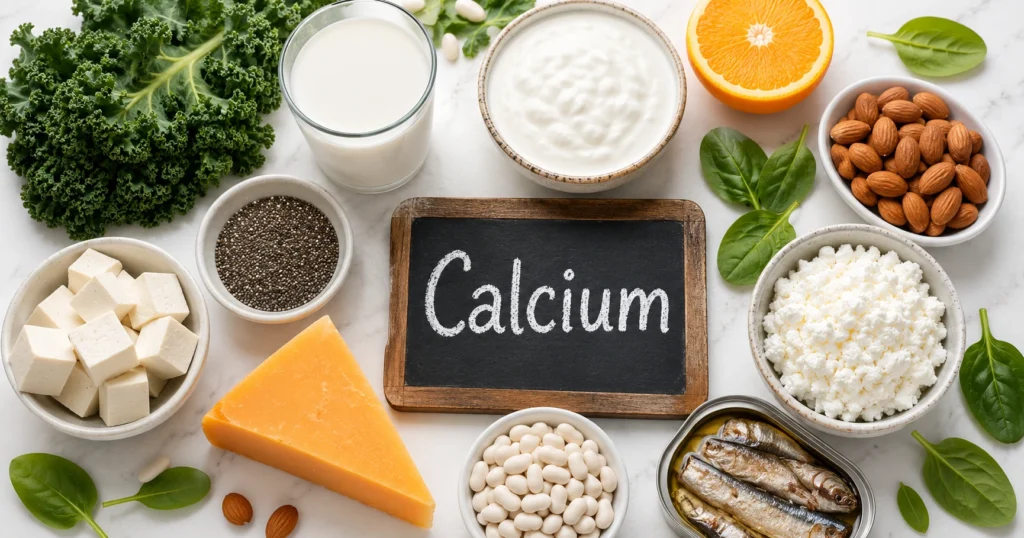
Calcium tops the list. Bone strength declines with age, and calcium is the mineral that keeps bones dense and resistant to fracture. Without enough of it, the risk of osteoporosis climbs steadily. The best sources include dairy products, kale, broccoli, and foods fortified with calcium such as orange juice and plant-based milks.
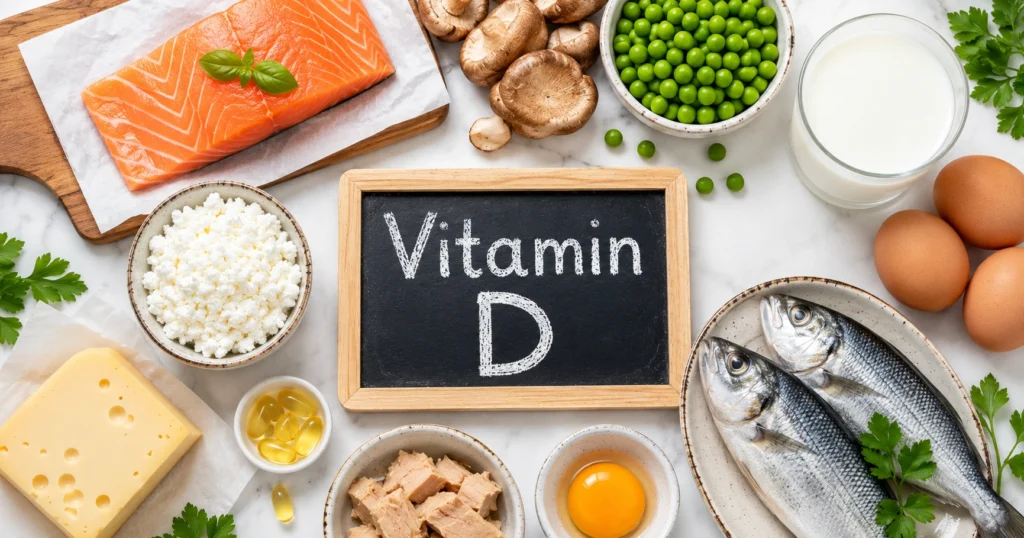
Vitamin D works hand in hand with calcium — without it, the body cannot absorb calcium effectively no matter how much you consume. Fatty fish, egg yolks, and fortified foods all help. So does something simpler: 20 minutes of direct sunlight during a walk provides a meaningful boost, according to dietitians at leading medical centres.
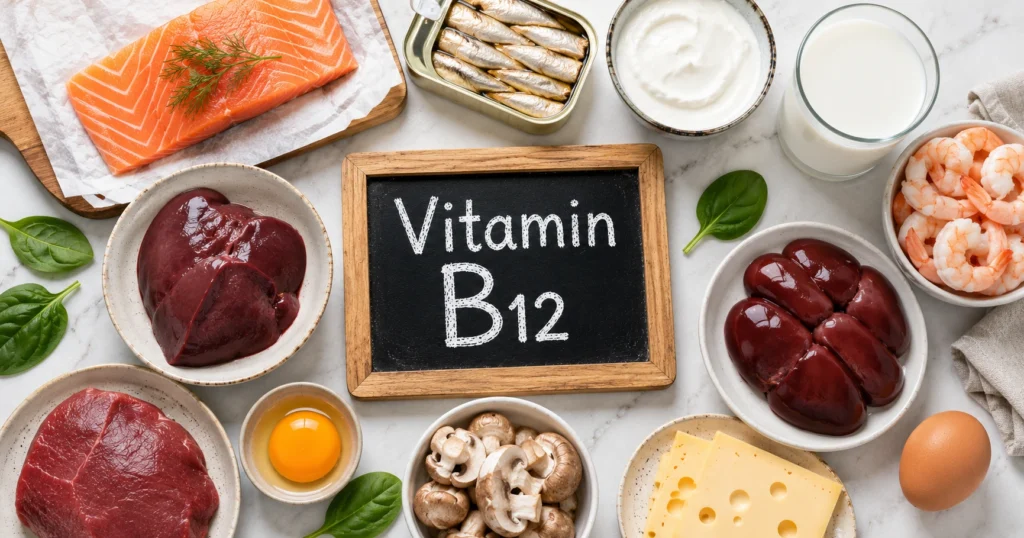
Vitamin B12 becomes harder to absorb after 60 because stomach acid production decreases with age, and stomach acid is what the body uses to extract B12 from food. Meat, eggs, dairy, fish, and fortified grains and cereals all help top up levels. Anyone experiencing unusual fatigue or brain fog should speak to a doctor about getting their B12 checked — deficiency is more common in older adults than many realise.
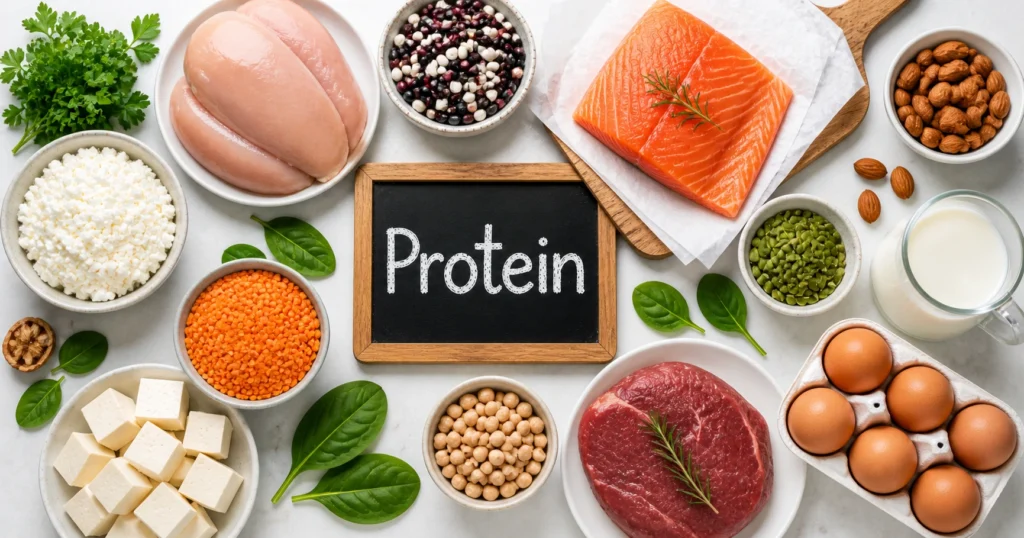
Protein needs to feature at every meal — not just dinner. Dietitians recommend building protein into each meal and snack throughout the day as the most reliable way to hit daily targets. Chicken, fish, eggs, Greek yogurt, and tofu are all strong options. The only exception is people managing chronic kidney disease, who should discuss their specific protein needs with a medical professional.
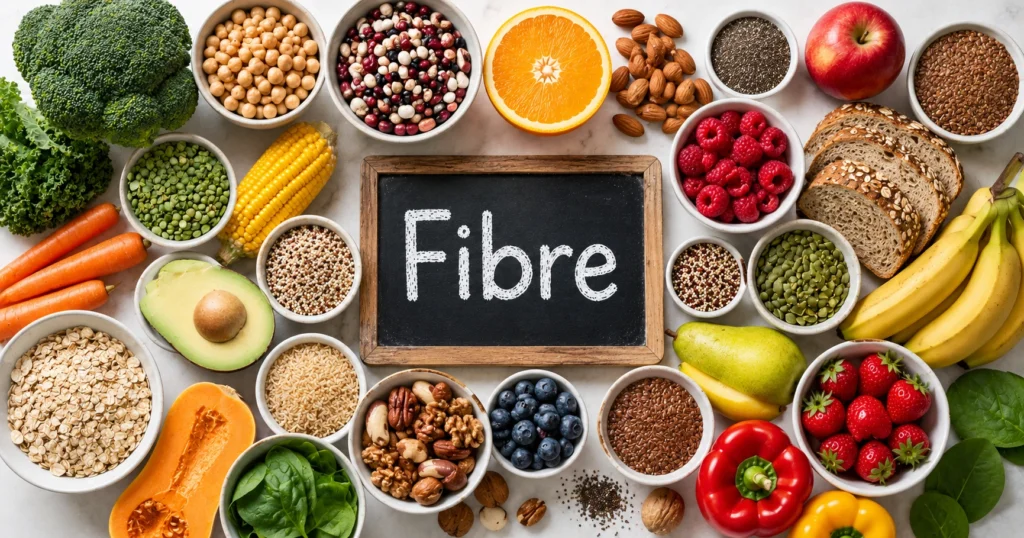
Fibre keeps the digestive system working as it should — and that matters more as the gut slows down with age. Beans, non-starchy vegetables, fruits, nuts, and seeds are all excellent sources. Most people over 60 do not get close to the recommended daily intake, making this one of the easiest areas to improve.
Beyond the five core nutrients, staying hydrated, maintaining a consistent eating schedule, avoiding processed foods, and limiting sugary drinks and baked goods all make a meaningful difference. If adjusting your diet feels overwhelming, a registered dietitian can help build a practical plan around your specific needs.
Stay informed. Subscribe to the JournalTodays Newsletter for the latest health, nutrition, and wellness advice delivered straight to your inbox.