

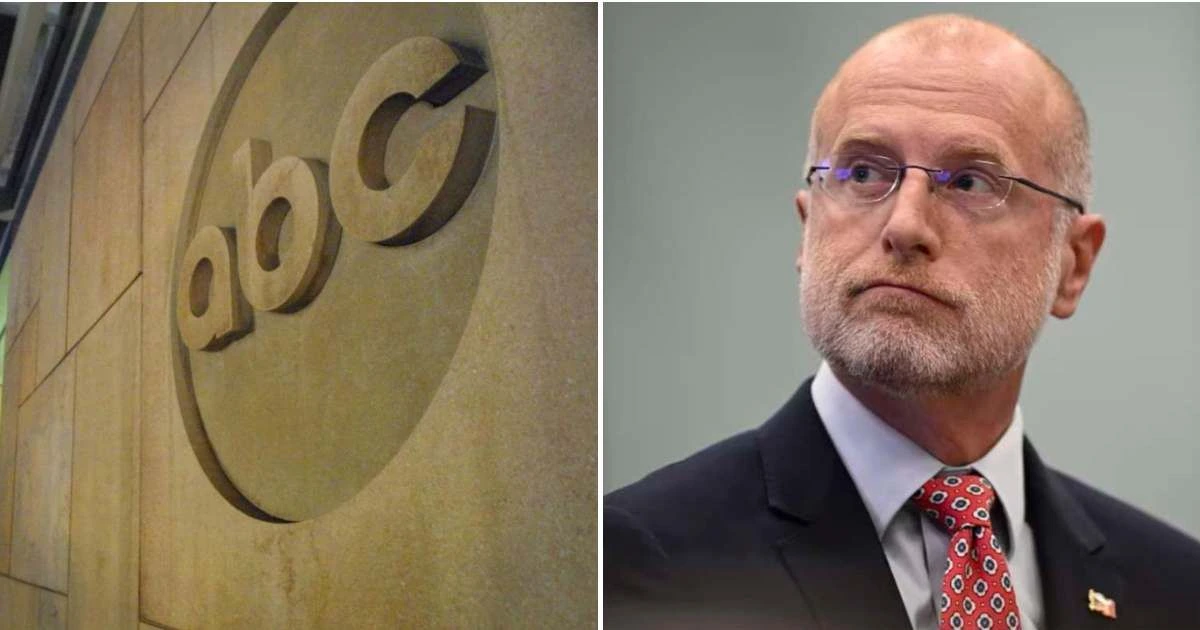
ABC and its parent company Disney took the rare step Tuesday of suing the Federal Communications Commission in federal court, arguing that the agency’s decision to order an early review of eight of the network’s broadcast licenses constitutes unconstitutional government retaliation for protected speech.
The lawsuit, filed alongside the eight local ABC stations whose licenses are affected, asks a federal court to immediately halt the early renewal proceedings. It frames the FCC’s actions as an “existential threat” to the network’s ability to operate and calls for an injunction against any further retaliatory action.
“Again and again, the Administration has attacked ABC’s speech — the stories its journalists report and the viewpoints its network programs air,” the complaint alleges. “Over time, those attacks have escalated into express demands that ABC be stripped of its broadcast licenses because of its speech.”
FCC Chairman Brendan Carr ordered the early license review in April — itself an unusual move, since the licences were not due to expire. The agency cited the network’s diversity practices. The action came shortly after ABC late-night host Jimmy Kimmel, a vocal Trump critic, made a joke that angered the president. The network says the timing makes clear what the review is actually about.
“If the Administration gets its way,” the lawsuit warns, “the message to every media company in the country will be unmistakable: tell only the stories the Administration deems favorable, or face the coercive machinery of the federal government. In such a world, the press could in no way be described as free.”
The Ongoing Confrontation Between ABC and the FCC
The license review is part of a broader conflict. The FCC has also been attempting to subject The View — whose hosts are frequently critical of Trump — to equal-time rules, a standard ABC says the agency itself definitively rejected in the network’s favour more than two decades ago.
Carr has defended the FCC’s approach, saying broadcasters “struck a deal with the American people” in exchange for free access to public airwaves worth billions of dollars, and that the FCC is simply trying to enforce that public interest obligation. “As a country, we should have a trusted, respected news media, and we’re not there,” he told Fox Business Network. “So I hope more broadcasters return to their public interest obligations.” The FCC did not immediately respond to a request for comment on Tuesday’s lawsuit.
The lone Democrat on the FCC, Commissioner Anna Gomez, praised Disney and ABC’s decision to fight back. “For months, the FCC has waged a campaign of censorship and control against Disney’s ABC stations, using the threat of broadcast license revocations to punish a company for speech this administration doesn’t like,” she said. “I have long called on companies to push back against this kind of government intimidation, and I’m glad Disney has shown courage and stepped up.”
The case raises questions that extend well beyond ABC specifically. Broadcast licenses are the legal foundation of television networks’ ability to operate, and federal courts have not previously been asked to block a license review on First Amendment grounds in this manner. The outcome could set important precedent for how far the government’s authority over broadcasters extends — and how far it can be wielded against editorial choices.
Stay informed. Subscribe to the JournalTodays Newsletter for the latest media law news, First Amendment coverage, and US politics updates delivered straight to your inbox.